
Views: 222 Author: Long Win Display Publish Time: 2026-06-19 Origin: Site


Content Menu
● What Is A Sidekick Display And Why Retailers Love It
● Core Keyword Focus For This Guide
● Tip 1 – Design Sidekick Displays Around Product And Retailer Rules
● Tip 2 – Make Setup Fast For Store Staff (Or Even Eliminate It)
● Tip 3 – Plan Product Count For Sell‑Through, Not Maximum Capacity
● Tip 4 – Use Sidekicks As A Mini Billboard, Not Just A Shelf
● Tip 5 – Test Strength, Transport, And Shopper Handling
● Retail Trends Shaping Cardboard Sidekick Displays In 2026
● Structural Design And Material Checklist For B2B Buyers
● Case Style Scenario: From Brief To Approved Sidekick Display
● Practical Design Workflow For Sidekick Displays
● FAQ
>> 1. What is the difference between a sidekick display and a pallet display?
>> 2. Why choose cardboard sidekick displays instead of permanent fixtures?
>> 3. Can sidekick displays be pre‑loaded with product?
>> 4. How do I know what board strength I need for my sidekick display?
>> 5. How can I measure whether my sidekick display is successful?
After designing and pre‑loading thousands of cardboard sidekick displays for global brands, I have learned that the most successful units all share one thing in common: they are engineered from day one for retail reality, not just "pretty" design files. In this guide, I'll walk you through how to design high‑performing sidekick and cardboard display stands from the perspective of a China‑based POP display manufacturer that helps brands win space in major retailers worldwide. [longwindisplay]
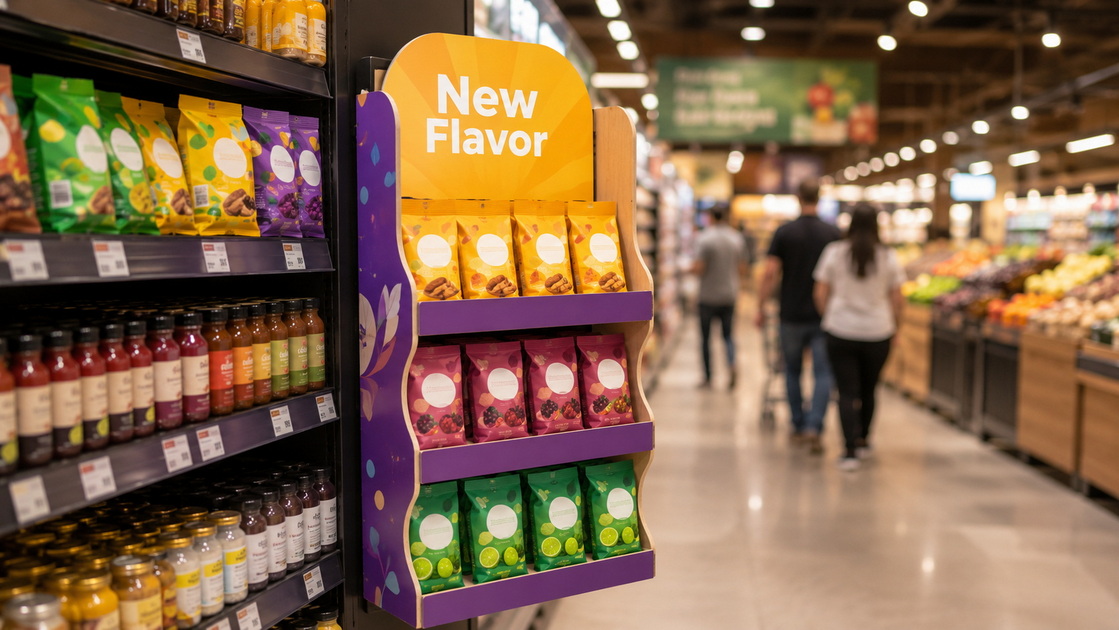
A sidekick display (also called a power wing display) is a compact secondary display unit that hangs on or stands beside main shelving, typically near high‑traffic aisles or checkout zones. It is designed to capture impulse purchases and highlight promoted SKUs without changing the store's basic fixture layout. [tphinc]
Retailers favor sidekick and cardboard display stands because they are lightweight, low‑cost, easy to swap, and fully brandable while still meeting strict compliance rules on safety, size, and load‑bearing. For brands, a well‑executed sidekick often delivers a better sales‑per‑square‑foot return than classic shelf facings. [packwins]
As a POP display manufacturer, we see sidekick projects come in under many different names. To make this guide useful for buyers, trade marketers, and sourcing teams, we will focus on these core concepts:
- Sidekick Displays
- Cardboard Sidekick Display Stand
- Power Wing POP Display
- Custom Cardboard Display Manufacturer
- B2B POP Display Supplier
These phrases will appear naturally through the article to help buyers searching for custom cardboard display stands and sidekick displays find relevant, expert guidance.
Every strong sidekick display design starts with three hard constraints: the product, the retailer, and the route to store. If you ignore any of them, your beautiful display risks being modified, under‑stocked, or even rejected by the retailer. [bpkc]
Before you open your design software, collect:
- Product dimensions and weights (single unit and full facing).
- Packaging type (box, blister, pouch, bottle) and hanging or shelf requirements. [packwins]
- Retailer sidekick guidelines: maximum width, height, depth, and allowed materials. [tphinc]
- Shipping method: flat packed vs pre‑loaded sidekick displays. [longwindisplay]
When we work with new B2B clients, our structural team will not start die‑lines until this information is confirmed, because small errors here multiply into big costs later at packing and in‑store setup.
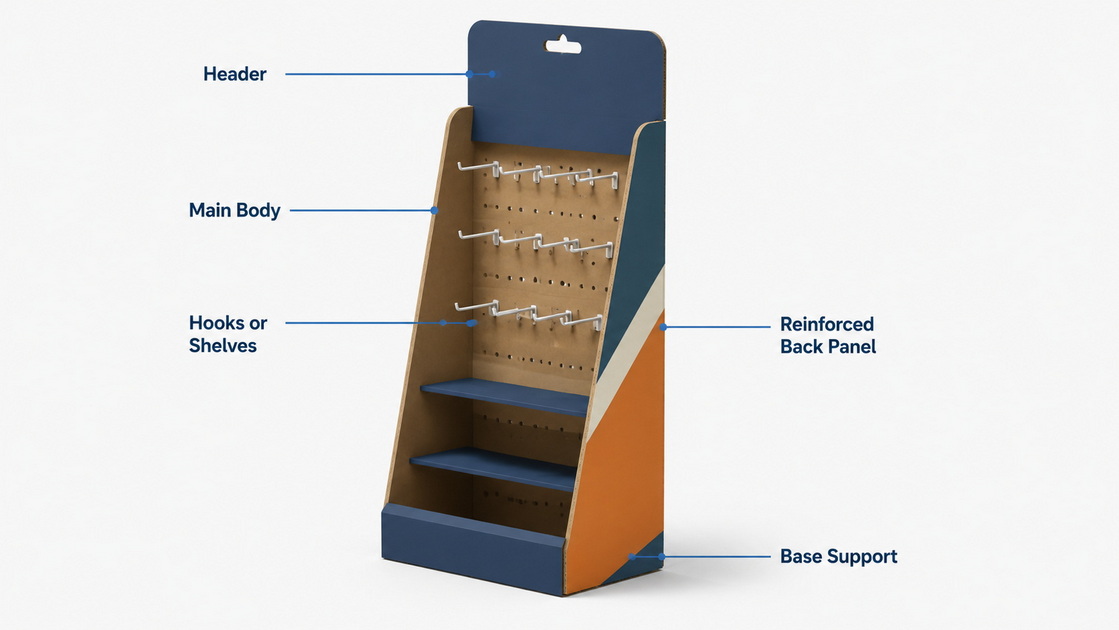
In real stores, your cardboard display stand is competing for attention not just with consumers, but also with busy store staff who have minutes to work each carton. If assembly is complicated, your display may never make it out of the back room. [tphinc]
The most retailer‑friendly sidekick displays usually:
- Use intuitive folding and locking mechanisms that need no tools.
- Include clear one‑page pictorial instructions printed on the shipper or inner flap.
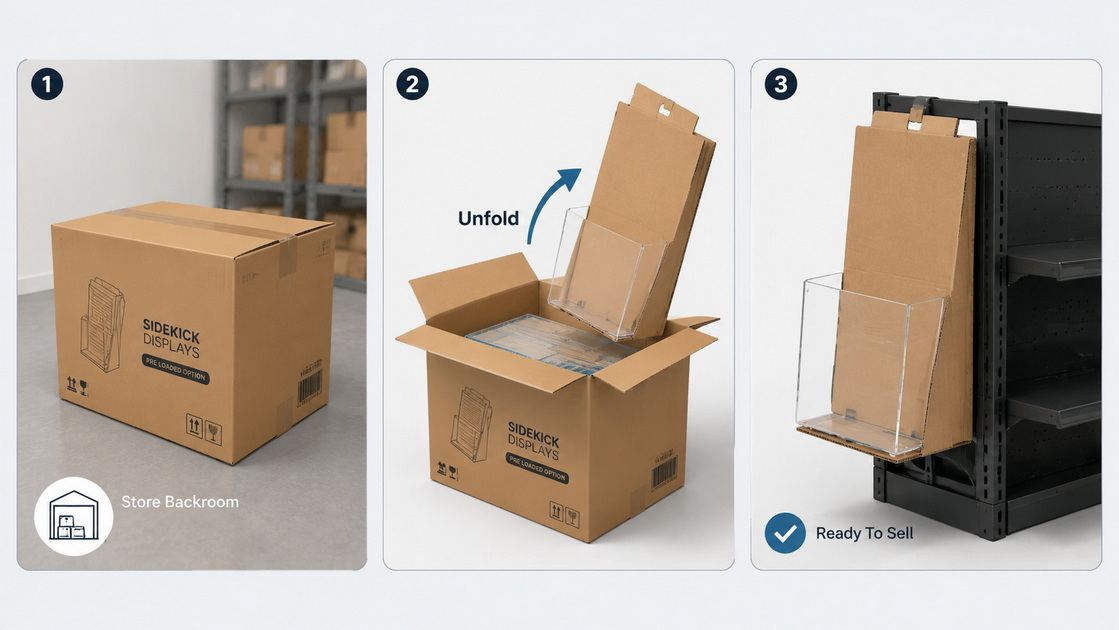
- Offer pre‑loaded sidekick options, where the display is factory packed with merchandise and only needs to be hung or fixed to a rack. [longwindisplay]
From our OEM experience, every extra minute of in‑store assembly increases the risk that staff will cut corners or change your layout, which directly reduces impact and compliance.
A classic mistake in sidekick display design is to pack as many units as possible into each pocket or shelf. This looks efficient on paper but can hurt sales and stock rotation in practice. [tphinc]
When we plan product count with brands, we consider:
- Average ticket price and planned promotion price.
- Typical store traffic and promotion period.
- Desired replenishment cycle (for example 2–3 days vs weekly). [packwins]
Sometimes a slightly lower unit count with clearer front‑facing and better visibility of hero SKUs performs better than a dense, cluttered layout.
A powerful cardboard sidekick display is a double asset: it holds product and works as a branded billboard at eye level. Yet we still receive artwork files that treat it exactly like a narrow shelf extension. [youtube]
High‑performing layouts usually feature:
- A bold top header with brand mark and primary benefit in 3–5 words.
- Clean product photography or illustrations that match campaign assets from digital and other channels. [youtube]
- Simple call‑to‑action such as "Try It Now", "New Formula", or "Buy 2 Save More".
In our factory, we often run print proofs on the actual corrugated board and flute so buyers can check that color and text remain strong under store lighting, not just on a monitor.
The original article already stresses the importance of testing, but from a manufacturing point of view, most brands still underestimate the physical abuse a sidekick display will see. [bpkc]
For export and high‑traffic retail, we always encourage:
- Selecting the right corrugated flute (B, C, E, or double‑wall) based on product weight and shipping distance. [packwins]
- Running stacking and burst strength checks to confirm that loaded units can handle pallet storage and transport. [packwins]
- Trial builds and in‑store pilot installs to observe real shopper interaction and restocking behavior.
According to recent market research, the global POP display market is expected to exceed USD 17 billion by 2026, driven largely by brands seeking measurable in‑store impact. In this context, skipping proper performance testing is a very expensive gamble. [mordorintelligence]
Beyond classic design tips, several retail display trends are now influencing how we engineer and decorate cardboard display stands. [luminati.co]
Key trends we see in current B2B briefs include:
- Demand for modular and easily adjustable displays that can fit different retailers or seasonal campaigns with minimal tooling changes. [luminati.co]
- Growing interest in sustainable materials and recyclable inks, often required in multinational brand guidelines. [topwongroup]
- Integration of digital triggers such as QR codes, social prompts, and trackable campaign URLs on the sidekick graphics. [youtube]
As a manufacturer, we often participate early in design workshops to ensure these elements are feasible with corrugated board, flexo or litho printing, and pre‑loading processes.
Many sourcing teams know they need a custom cardboard display, but do not always have a clear internal spec sheet. Based on our experience, a simple pre‑brief checklist significantly improves speed and quality. [longwindisplay]
Essential structural parameters to define
| Parameter | Why it matters |
|---|---|
| Target retailer(s) | Each has unique size and safety rules |
| Product weight per facings | Drives board grade and reinforcement |
| Required lifetime | Short promo vs multi‑month campaign |
| Mounting method | Hanging hooks, side rails, freestanding |
| Shipping method | Flat pack vs pre‑loaded |
| Environmental goals | Material recyclability, local regulations |
Having this information ready allows your POP display manufacturer to propose the right flute, locking structure, and printing method in the first design round, reducing sampling cycles.
To make this more concrete, here is a simplified scenario based on typical Long Win Display projects. [topwongroup]
A global snack brand wants to:
- Launch a limited‑time flavor in supermarkets.
- Use cardboard sidekick displays near the beverage aisle and checkout.
- Ship pre‑loaded units from China to multiple countries.
Our approach as a POP manufacturer:
1. Review product weight, case pack, and retailer requirements.
2. Propose a sidekick structure with reinforced back panel and easy one‑step locking base.
3. Test both flat‑pack and pre‑loaded shipping options for logistics cost and damage rates.
4. Run a small pilot batch in 2–3 key markets, collecting feedback from retail teams on setup time and sales lift. [topwongroup]
This kind of structured, data‑driven process is what modern B2B buyers expect from a professional cardboard display stand supplier.
From an operator's perspective, a good POP display design workflow keeps marketing, trade, and purchasing aligned. [topwongroup]
A simple, repeatable process:
1. Define objectives – upsell, launch, seasonal, or secondary placement.
2. Collect constraints – retailer specs, product data, shipping and budget.
3. Co‑create structure and graphics with your POP display manufacturer.
4. Build white samples (no print) for structural approval.
5. Move to printed samples, color adjustment, and load testing.
6. Approve, mass produce, and document setup instructions for retailers.
We often share assembly PDFs and short videos that clients can upload to their own B2B portals, reducing support pressure on their trade teams.
If you are planning your next sidekick display or full cardboard display stand program, treat it as a strategic B2B project, not a one‑off print job. [mordorintelligence]
As a China POP display manufacturer experienced in design, customization, production, and pre‑loading, our team at Long Win Display can help you:
- Translate brand and retailer requirements into engineered structures.
- Optimize material usage while protecting load‑bearing and appearance.
- Run pilot programs and iterate based on real sell‑through data and feedback.
If you share your product specs, target retailers, and launch timing, we can propose sidekick display concepts and quotations that are ready for your internal review and retail approvals.
A sidekick display is a smaller unit that hangs from shelves or fixtures, while a pallet display occupies a full or half pallet footprint on the floor. Sidekicks are ideal for impulse zones and narrow aisles; pallet displays focus on bulk or high volume promotions. [tphinc]
Cardboard display stands are lighter, cheaper, and easier to update for seasonal campaigns than permanent metal or plastic fixtures. They also support flexible graphics and can be produced and shipped quickly for time‑sensitive promotions. [packwins]
Yes. Many retailers and brands now prefer pre‑loaded sidekick displays, which arrive from the factory already packed with merchandise, so staff only need to open the carton, hang, and remove dunnage. This approach reduces in‑store labor and improves compliance. [longwindisplay]
Board choice depends on total product weight, transport distance, and required lifetime. Your POP display manufacturer should recommend corrugated flute and burst strength levels based on these parameters and confirm with test samples. [packwins]
Common metrics include sales uplift vs control stores, sell‑through speed, and display compliance rates, as well as qualitative feedback from store staff about setup and replenishment. Over time, brands build internal benchmarks for different categories and promotion types. [mordorintelligence]
1. BPKC – "5 Design Tips For Sidekick Displays". [bpkc]
2. TPH – "How to Design Sidekicks Displays Customers & Retailers Love". [tphinc]
3. Long Win Display – Company profile and POP display capabilities. [longwindisplay]
4. Packwins – "Designing and Using Cardboard Display Stands: A Step‑by‑Step Guide". [packwins]
5. Topwon Group – "Nine Tips for Cardboard Displays in Retail Store Showcase". [topwongroup]
6. Mordor Intelligence – "POP Display Market Size, Share, Trends, 2031 Report". [mordorintelligence]
7. Luminati – "2026 Retail Display Trends: What's Coming Next and How to Prepare". [luminati.co]
8. YouTube – "5 Design Tips For Retail Displays | Point Of Purchase Display Ideas". [youtube]


