
Views: 222 Author: Amanda Publish Time: 2026-02-17 Origin: Site


Content Menu
● Why Mannequin Styling Matters for Retail Sales
● Tools and Prep Before You Dress a Mannequin
● How to Dress a Mannequin with Pants (Step by Step)
>> Step‑by‑step: Pants on a Fiberglass Mannequin
● How to Put T‑Shirts on a Mannequin
● How to Dress a Mannequin in Long‑Sleeve Shirts
● How to Dress a Mannequin in Dresses
● How to Add Layers: Jackets, Cardigans, and Outerwear
● How to Dress Flexible vs. Fiberglass Mannequins
● Pro Mannequin Styling Tips to Boost Visual Impact
● Visual Merchandising: Mannequins and Cardboard Displays Working Together
● Common Mistakes to Avoid When Dressing a Mannequin
● Advanced Mannequin Styling Ideas for Seasonal Campaigns
● Actionable Dressing Checklist for Store Teams
● Bring Your Mannequin Styling and Displays Together
● FAQs About How to Dress a Mannequin
>> 1. How do I dress a mannequin without breaking it?
>> 2. How often should I change outfits on mannequins?
>> 3. What is the best way to make clothes fit better on mannequins?
>> 4. Can I dress the same mannequin in both summer and winter outfits?
>> 5. How can I make mannequins work with my cardboard displays?
Dressing a mannequin is not just about putting clothes on a plastic body; it is about creating a story that sells outfits, communicates your brand, and guides shoppers' eyes through your display. When you understand the right sequence, tools, and styling tricks, you can dress mannequins faster, avoid damage, and achieve polished looks that boost sales on the shop floor, in windows, and near cardboard display stands.

Well‑styled mannequins work as silent salespeople that show customers how to wear full outfits, combine accessories, and coordinate colors. They also draw attention to key products or new collections, which is especially powerful when you place them next to promotional cardboard displays, pallet displays, or counter displays.
- Mannequins help shoppers visualize fit, proportion, and styling ideas.
- Coordinated outfits increase average order value because customers are more likely to buy multiple items from the look.
- Clean, well‑posed mannequins support your overall brand image and make your store feel professional and curated.
For modern retail environments, pairing a strong mannequin look with branded display boxes and packaging can turn a simple corner into a high‑impact promotional zone.
Before you start, prepare your mannequin, outfits, and tools so the dressing process runs smoothly and safely.
- Clean the mannequin: Remove dust, fingerprints, and adhesive residue with a soft cloth and mild cleaner.
- Inspect all joints and hardware: Check that legs, arms, hands, and base hardware connect securely and move without forcing.
- Steam or iron garments: Remove wrinkles, hidden tags, and loose threads so the final look appears fresh and premium.
- Prepare styling tools: Keep binder clips, pins, double‑sided tape, scissors, and lint rollers within reach.
- Plan the entire outfit: Lay out shoes, layers, and accessories in the order you will add them.
If your mannequin will stand near cardboard floor displays or corrugated packaging, confirm that the base is stable and leaves enough aisle space for customers to move around comfortably.
Dressing a mannequin in pants can be tricky if you do not follow the right order of operations.
1. Remove the mannequin from its base so you can work safely without tipping.
2. Lay the body down or have an assistant hold it upright while you work on the legs.
3. Detach the removable leg from the torso or hip joint.
4. Slide the pants partway up the detached leg, pulling gently over the foot and calf.
5. Begin sliding the pants onto the attached leg, aligning seams and avoiding sharp hardware that could snag fabric.
6. Reattach the detached leg once both legs are inside the trouser legs and above the calves.
7. Pull the pants up fully, smoothing fabric at the hips and fastening any buttons, hooks, or zippers.
8. Return the mannequin to its base, checking balance and pose.
If the legs are set wide apart or in challenging poses, loosen one leg slightly so the pants can pass the tightest point, then re‑secure once the garment is safely in place.
Short‑sleeve tops are often the easiest garments to add if you remove the arms first.
- Remove both arms at the shoulder joints and set them aside in a safe place.
- Slide the T‑shirt over the head and shoulders, aligning the neck opening and side seams.
- Gently roll up or fold the sleeves to create space for the arm pegs.
- Reattach the mannequin arms through the armholes, rotating the hands into a natural position.
You can then tug the shirt hem into place and use clips at the back to refine the fit if the garment is slightly oversized.
Long‑sleeve shirts and blouses require more careful handling to avoid stressing the wrist and finger areas.
- Remove both arms completely and set them on a padded surface.
- Slip the shirt over the head and shoulders, smoothing it over the torso.
- Insert the hand end first of each arm through the shirt collar, then guide it down through the sleeve until the hand reaches the cuff.
- Reattach the arms to the torso, then close cuffs, buttons, or plackets.
This inside‑out method reduces friction on the garment and keeps fingers from catching on fabric or embellishments.
Dresses are often the most straightforward option for quick visual updates, especially in busy fashion environments.
- Remove both arms at the shoulders and place them aside.
- Slide the dress over the mannequin's head, then guide it past the shoulders, torso, and hips.
- Smooth the fabric along the body, aligning seams and waistline details.
- Reattach the arms, then adjust sleeve drape and neckline placement.
For strapless or off‑shoulder dresses, use discreet clips or tape at the back to keep the garment secure and wrinkle‑free.
Layering outfits is one of the most effective mannequin styling tips to create depth, realism, and seasonal storytelling.
1. Remove both arms and put on the base layer (such as a T‑shirt or blouse), pulling it over shoulders and torso.
2. Add the second layer (jacket, cardigan, hoodie) directly on top of the first, again starting over the head and shoulders.
3. If both layers have long sleeves, pull the sleeves of the inner layer through the outer layer first so they align correctly at the cuffs.
4. Insert the arm pegs through the collar opening, feed each arm down through both layers, and reattach at the shoulders.
Once everything is in place, partially unzip jackets, roll sleeves, or pop collars to create a more dynamic styled look that feels like a real outfit.
Different mannequin constructions require different dressing techniques.
Mannequin Type | Key Characteristics | Best Dressing Approach | Notes for Retail Use |
Fiberglass mannequins | Rigid body, detachable limbs, durable surface | Detach legs and arms, dress from bottom up, reattach once garments are in place | Ideal for windows and long-term displays; handle fingers carefully. |
Flexible mannequins | Bendable limbs, often lighter, more pose options | Lay flat, slide pants and tops on with limbs bent as needed, then stand upright | Great for dynamic poses near promotional cardboard displays or sports sections. |
Torso forms | No legs, sometimes no arms, tabletop or wall-mounted | Slide tops, dresses, or outerwear from top down; use pins at back to shape | Perfect for counter displays and small footprint merchandising. |
Choose mannequin types that align with your store concept, target customer, and available display space.
Beyond the basic “how to dress a mannequin” steps, styling details are what separate average displays from high‑performing ones.
- Fit to flatter: Avoid oversized or sagging garments; use clips and pins at the back to create a tailored silhouette.
- Hide the hardware: Conceal clips, stands, and pins behind seams, under hems, or at the back of the body so the outfit looks seamless.
- Accessorize with intention: Add hats, scarves, belts, jewelry, and bags to complete the look instead of displaying only clothing.
- Match your customer: Choose mannequins and outfits that reflect your audience's age, lifestyle, and style preferences.
- Check every angle: Step back and view the mannequin from the entrance, main aisles, and near adjacent cardboard displays to ensure a cohesive impression.
These details increase dwell time and help customers picture themselves wearing the outfit in real life.
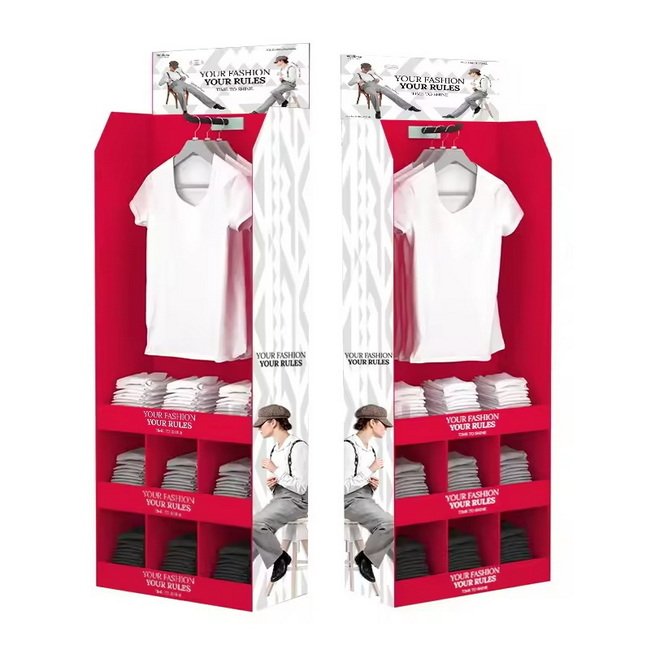
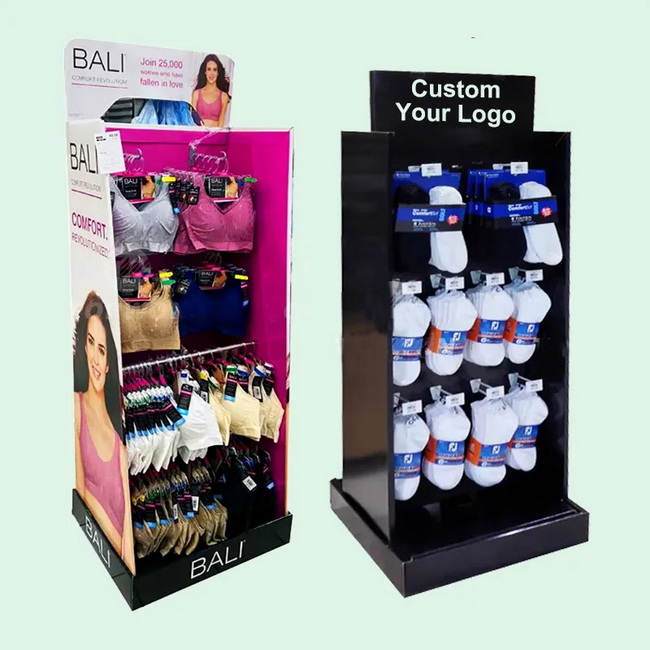
For brands and retailers that use cardboard display stands, display boxes, pallet displays, and gift boxes, combining mannequin styling with structural displays can significantly amplify message clarity.
- Position full‑body mannequins near freestanding floor displays to highlight hero outfits or seasonal collections.
- Use countertop mannequins or torso forms beside counter displays to promote add‑on items such as scarves, belts, or jewelry.
- Place packaged products (for example, folded shirts in gift boxes or accessories in packaging boxes) at the mannequin's feet or on adjacent shelves to create a direct path from inspiration to purchase.
This integrated approach turns your cardboard structures into part of a larger storytelling scene rather than standalone fixtures.
Avoiding a few frequent errors will save time and keep your garments in sellable condition.
- Forcing limbs into tight sleeves or pants, which may chip paint or crack fingers.
- Ignoring wrinkles, stains, or loose threads that make outfits look unprofessional.
- Leaving visible clips, pins, or security tags on the front of garments.
- Choosing random pieces that do not make sense together as a complete outfit.
- Leaving displays unchanged for too long, which reduces shopper interest.
A quick checklist before the store opens each day helps keep mannequins in showroom‑ready condition.
As seasons and promotions change, your mannequins should reflect new themes, colors, and product priorities.
- Winter: Highlight coats, knitwear, and layering, using scarves, gloves, and hats to communicate warmth and texture.
- Summer: Focus on light fabrics, dresses, shorts, and accessories such as sunglasses and straw hats.
- Back‑to‑school: Combine casual outfits with bags and stationery, positioning mannequins close to cardboard dump bins or pallet displays filled with school supplies.
- Holiday gifting: Pair dressed mannequins with gift boxes and packaging boxes to show ready‑to‑give sets.
Change outfits regularly to signal freshness and encourage repeat visitors to explore new items.
To help staff execute consistently, use this simplified checklist during mannequin changes.
1. Confirm mannequin is clean, stable, and free of damage.
2. Lay out complete outfit, including shoes and accessories, in dressing order.
3. Dress from bottom to top: pants or skirts first, then tops, then outer layers.
4. Reattach limbs carefully, avoiding pressure on fingers and joints.
5. Style details: roll sleeves, adjust collars, shape hems, and hide clips at the back.
6. Add accessories and ensure brand tags or logos are visible but not distracting.
7. Step back and check the mannequin from multiple angles and distances.
This checklist can be printed and displayed in your stockroom or training area so every team member follows the same professional steps.
When you combine expert mannequin dressing with well‑designed cardboard display stands, counter displays, and packaging, you create a cohesive in‑store experience that guides customers from discovery to purchase. If you are planning your next retail campaign, now is the time to upgrade both your mannequins and your custom displays so your outfits, packaging boxes, and gift boxes all tell the same brand story.
If you need custom cardboard display racks, pallet displays, display boxes, or gift boxes that integrate seamlessly with your mannequin styling and store layout, contact Long‑Win Display today to discuss tailored display solutions for your stores, pop‑up shops, or trade show booths. Take the next step and turn every mannequin and display zone in your space into a high‑impact sales engine.
Contact us to get more information!
Always detach removable limbs before putting on tight garments, dress from bottom to top, and never force joints or fingers into sleeves or pant legs. Work on a stable surface and ask for help with heavy or tall mannequins.
Most retailers refresh mannequin outfits every 2–4 weeks, or whenever new collections arrive, major promotions change, or seasonal themes shift. Frequent updates keep displays interesting and encourage repeat customers to explore new items.
Use binder clips, pins, and double‑sided tape at the back of the mannequin to remove excess fabric and create a sharp silhouette. Always hide clips from customer view and avoid pinning in ways that damage garments.
Yes, you can reuse the same mannequin all year, adjusting outfits, accessories, and color stories for each season. Layering, outerwear, and seasonal props around the base help communicate the right mood and temperature.
Position mannequins next to floor or pallet displays to highlight key outfits, and use counter mannequins to promote smaller items with counter displays. Coordinate colors and graphic themes across your displays, packaging, and outfits for a unified brand message.
1. https://www.displays2go.com/Article/How-Dress-Mannequin-Includes-Video-Styling-Tips-72
2. https://mannequinmode.com/blog/top-10-mannequin-styling-tips-to-boost-retail-sales/
3. https://displayarama.com/boutique-clothing-store-tips-and-tricks/mannequin-tips-and-tricks-for-boutique-clothing-stores/
4. https://museummannequins.com/ideas-details/how-to-dress-a-display-mannequin/
5. https://apexdisplay.com.au/dress-a-mannequin-stress-free-20-tips/
6. https://www.qunxinghanger.com/blog/how-to-dress-mannequin/
7. https://vdshowcase.com/blog/guide-to-choosing-and-styling-a-display-mannequin/
8. https://newtechdisplay.com/blogs/news/best-practices-for-dressing-mannequins-for-winter-collection
9. https://www.youtube.com/watch?v=w4LNJGAQT2A
10. https://www.youtube.com/watch?v=_GZN2RK7Wzk


