
Views: 285 Author: Long Win Display Publish Time: 2026-07-09 Origin: Site


Content Menu
● What Is Carton Packaging In Modern Retail?
● How Folding Carton Packaging Is Made
>> Die Cutting, Folding, And Gluing
● Why Carton Packaging Remains So Popular
>> Retail-Friendly Design And Display
>> Environmentally Friendly And Recyclable
>> Cost-Effective For High Volumes
● Key Paperboard Grades Used In Carton Packaging
>> Solid Bleached Sulfate (SBS)
>> Solid Unbleached Sulfate (SUS)
● Printing, Coatings, And Finishes That Elevate Cartons
>> Printing Methods: Offset And Digital
>> Coatings For Protection And Performance
>> Premium Finishes: Embossing, Spot UV, Foil
● Carton Packaging Across Industries
>> Cosmetics And Personal Care
>> Pharmaceuticals And Healthcare
● Engineering Cartons For Automation And Retail
● How Carton Packaging Works With POP Displays
>> Structural Integration: Box And Display As A Set
>> Visual Cohesion: Brand Blocks At The Shelf
● Practical Steps To Design Effective Carton Packaging
>> Step 1 – Clarify Functional Requirements
>> Step 2 – Align On Brand Positioning And Story
>> Step 3 – Co Design Structure And Graphics
>> Step 4 – Validate On Real Lines And In Real Stores
● What OEM And Brand Buyers Should Ask Carton Suppliers
● Call To Action: Plan Your Next Carton And POP Display Project
● FAQ
Carton packaging is no longer "just a box"—it is a strategic retail tool that protects products, communicates brand value, and shapes shopper decisions at the shelf. As a POP display and custom package box manufacturer working with global retail brands, I see every day how well designed carton packaging can decide whether a product quietly sits in the back row or wins prime placement and repeat orders. [longwindisplay]
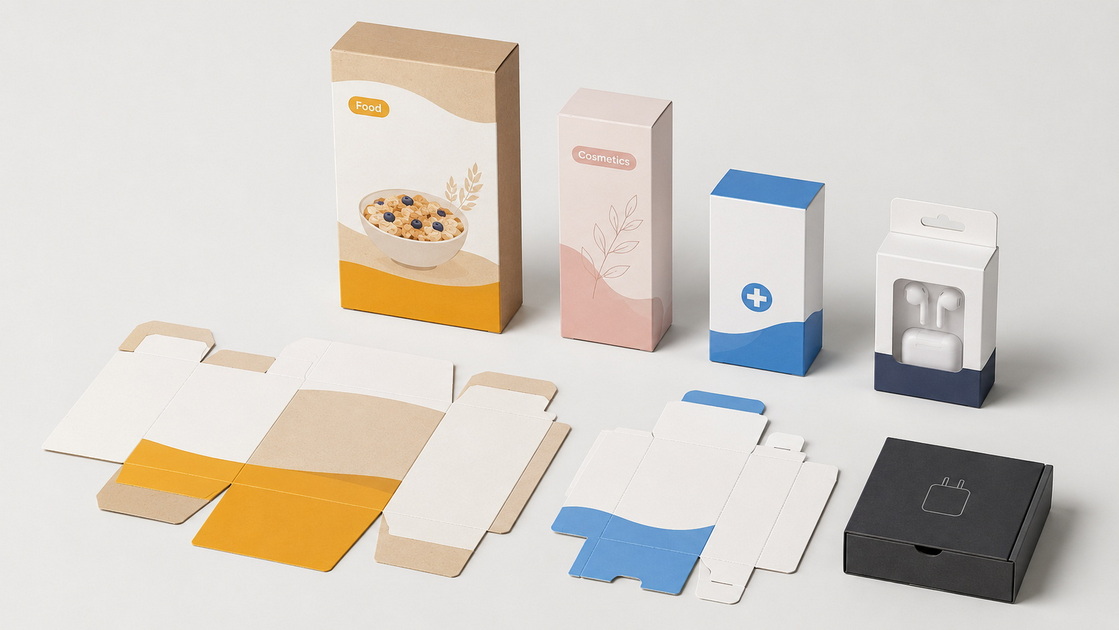
Carton packaging refers to boxes made primarily from paperboard or carton board, folded, laminated, or molded into structures that hold and protect products. These are the classic folding cartons you see for cereals, cosmetics, electronics accessories, and countless other retail items. [refinepackaging]
Compared with corrugated shipping boxes, carton packaging focuses on retail presentation, print quality, and shopper experience, while still providing enough protection for lighter to medium weight products. For brands, that makes carton packaging a powerful bridge between transport efficiency, shelf appeal, and sustainability expectations. [pioneerpack]
Modern carton packaging is the result of a highly optimized industrial process combining paperboard conversion, printing, finishing, and structural engineering. [wevolver]
Most folding cartons are produced from paperboard made with pulp from recycled scrap paper, sometimes mixed with virgin fibers for strength and print performance. The board is processed into large rolls or sheets, often in grades such as Solid Bleached Sulfate (SBS) or Solid Unbleached Sulfate (SUS). [oxopackaging]
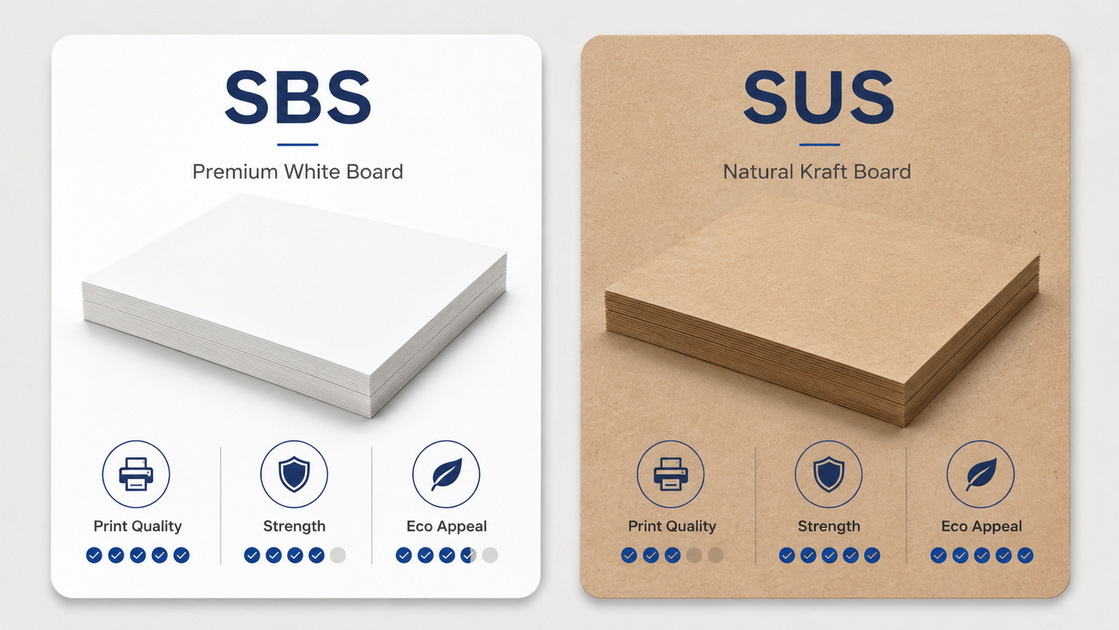
SBS provides a bright white, smooth surface ideal for premium printing, while SUS offers a natural brown look that immediately communicates eco-friendly positioning. Both can be coated to improve print quality and durability. [ecobliss-retail]
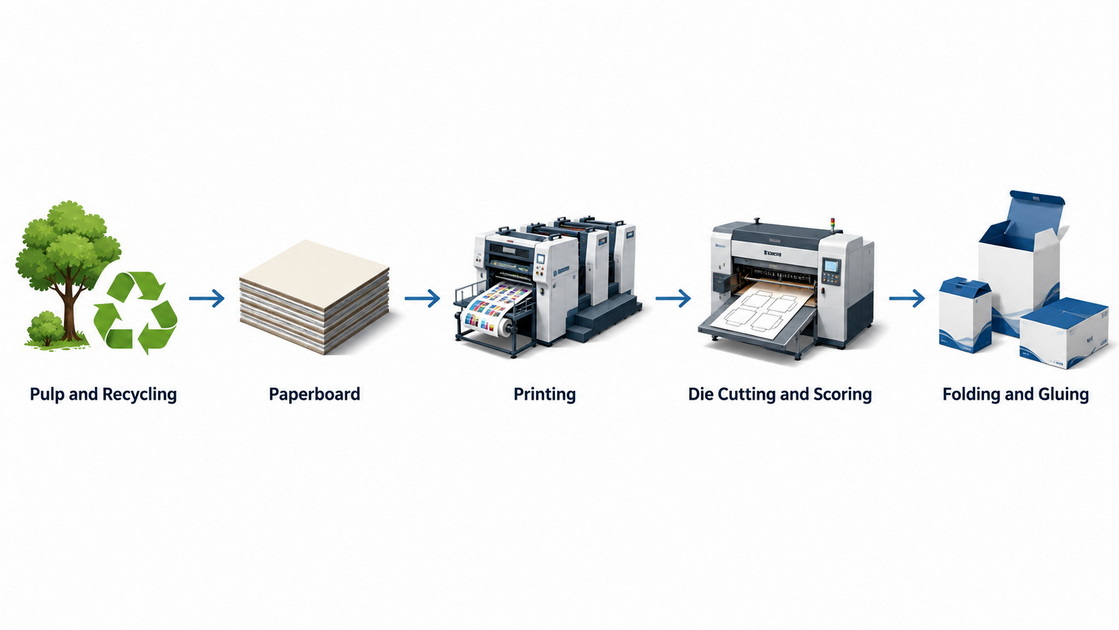
Once the paperboard is ready, manufacturers:
1. Prepare dielines that define the box layout, structural features, and artwork zones. [wevolver]
2. Print artwork on large sheets using offset or digital presses, depending on volume and design complexity. [carepac]
3. Cut, score, and fold the sheets into flat carton blanks with tabs and glue flaps. [pioneerpack]
4. Glue and preassemble where needed, delivering cartons laying flat for efficient shipping and storage until they are "popped up" and filled on packing lines. [pioneerpack]
For high-volume brands, structural engineers will also incorporate locking features, inserts, or windows to ensure products stay secure, display correctly, and run smoothly through automated filling equipment. [umbrellapackaging]
Despite the growth of plastics and alternative formats, folding carton packaging continues to dominate retail shelves for good reasons. [umbrellapackaging]
Carton packaging is lightweight, compact, and easy to stack, making it ideal for crowded retail environments. With high quality printing and finishing, cartons can deliver: [refinepackaging]
- Strong front panel branding that is visible at a glance.
- Consistent brand blocking on shelf through coordinated colors and typography.
- Integrated storytelling, certifications, and usage instructions without clutter.
Because cartons present flat surfaces and sharp edges, POP display manufacturers can design precise slots, trays, and risers that hold boxes upright, at the right angle, and in planogram-compliant layouts. [longwindisplay]
Carton packaging is widely recognized as one of the more eco-friendly retail packaging options, thanks to:
- High levels of recycled content and recyclability in many paperboard grades. [oxopackaging]
- Compatibility with water based inks and aqueous coatings, which reduce reliance on solvent based systems. [ecobliss-retail]
- Lower plastic usage compared with clamshells or full rigid plastic packs. [oxopackaging]
For brands targeting eco-conscious shoppers, unbleached kraft, minimalist graphics, and clear recyclability messaging can significantly boost perceived sustainability.
Cartons offer a rare combination: premium branding potential with competitive unit cost, especially at mid to high volumes. Because they ship flat and weigh less than many alternatives, they also reduce transport and storage costs, which matters greatly in B2B retail operations. [wevolver]
Choosing the right paperboard grade is a critical step in any custom packaging or POP display project. Below are some of the most widely used options.
SBS paperboard is a premium white grade composed of about 80% virgin wood fibers and 20% recycled material, chemically processed and bleached, then coated with clay. It offers: [oxopackaging]
- A brilliant white surface ideal for high-end brand colors and fine detail.
- Excellent print and finishing performance for techniques like embossing, foil, and spot UV. [wevolver]
- Strong tear resistance despite relatively low weight per square meter.
SBS is commonly used in cosmetics, premium food, and high value consumer goods where visual impact is critical. [pioneerpack]
SUS paperboard follows a similar process but does not undergo bleaching, resulting in a natural brown tone. This grade: [ecobliss-retail]
- Communicates sustainability and natural positioning at a glance.
- Works well for earthy, minimalist designs with limited color palettes. [ecobliss-retail]
- May slightly mute color output, which designers must consider during artwork development. [wevolver]
For brands that want to align packaging and POP displays with eco-first storytelling, SUS is often a compelling choice. [umbrellapackaging]
One reason carton packaging is so powerful is its compatibility with advanced printing and finishing techniques, many of which are difficult or expensive on other substrates. [carepac]
- Offset printing delivers high resolution, color-accurate output, ideal for intricate designs and large production runs. [carepac]
- Digital printing supports short runs, personalization, and fast prototyping, making it suitable for limited campaigns, A/B tests, or emerging brands. [carepac]
Both methods can be applied to SBS and SUS boards, with care taken to align ink systems and coatings with the chosen material. [oxopackaging]
Coatings help cartons withstand handling, moisture, grease, and shelf wear. Common options include: [oxopackaging]
- Aqueous coatings for eco-friendly gloss or matte surfaces and food-contact safety. [ecobliss-retail]
- Wax or specialized barrier coatings for foodservice items that must resist grease or liquids. [wevolver]
For food, beverage, and cosmetics, the choice of coating directly impacts regulatory compliance, recyclability, and perceived quality. [umbrellapackaging]
To differentiate on-shelf, many brands invest in tactile and visual enhancements such as:
- Embossing and debossing for raised or recessed logos, seals, or patterns. [certifiedprofessional.adobe]
- Spot UV to add localized gloss, contrast, and texture on a matte background. [certifiedprofessional.adobe]
- Foil stamping for metallic highlights, premium accents, or security elements. [yorkcontainer]
These finishes turn cartons into micro-billboards, reinforcing brand identity and encouraging shoppers to pick up the product.
Carton packaging appears in nearly every consumer sector, but the requirements and engineering priorities differ by category. [umbrellapackaging]
Cosmetics brands rely on cartons to:
- Deliver luxury cues through high-end printing and finishes. [umbrellapackaging]
- Protect fragile primary packaging like glass bottles or droppers.
- Provide surfaces for legally required information and brand storytelling. [yorkcontainer]
Custom inserts, windows, and special shapes can align with custom POP display trays and counter units, creating a cohesive brand block. [longwindisplay]
From cereal boxes to ready meal sleeves, food and beverage cartons must meet strict food safety and barrier standards. They often use: [umbrellapackaging]
- Food-grade coatings to prevent grease or moisture penetration. [oxopackaging]
- Strong structural designs that withstand transport and stacking while remaining easy to open. [pioneerpack]
In retail, these cartons are frequently paired with floor displays, end caps, or pallet displays, where precise dimensions and rigidity are critical. [longwindisplay]
Pharmaceuticals use folding cartons as secondary packaging for blister packs, bottles, and vials. Here, carton design must integrate: [wevolver]
- Tamper-evidence features and clear labeling for safety and compliance. [yorkcontainer]
- Automation-compatible shapes that run reliably on high-speed packing lines. [wevolver]
A well engineered pharma carton can significantly reduce line stoppages, misfeeds, and repacking costs.
The original paperboard article highlights a pharmaceutical case where high volumes of folding cartons had to integrate seamlessly into an existing automated folding process. Engineers studied the customer's line, then adjusted the structural design to ensure fast, reliable packing at scale. [wevolver]
Similarly, in the Sensitiva case, sustainable folding cartons with anti-scratch matte finishes were used across product sizes, allowing multiple artworks to run together in a single production. This reduced time and cost while preserving brand coherence. [wevolver]
For POP and package box manufacturers, these cases underscore how early engineering collaboration with the brand's operations and marketing teams leads to better outcomes on the shelf and on the line. [yorkcontainer]
From my experience working as a B2B partner for international brands, the most successful retail executions treat carton packaging and POP displays as one integrated system, not separate projects. [longwindisplay]
When cartons and displays are designed together, you can:
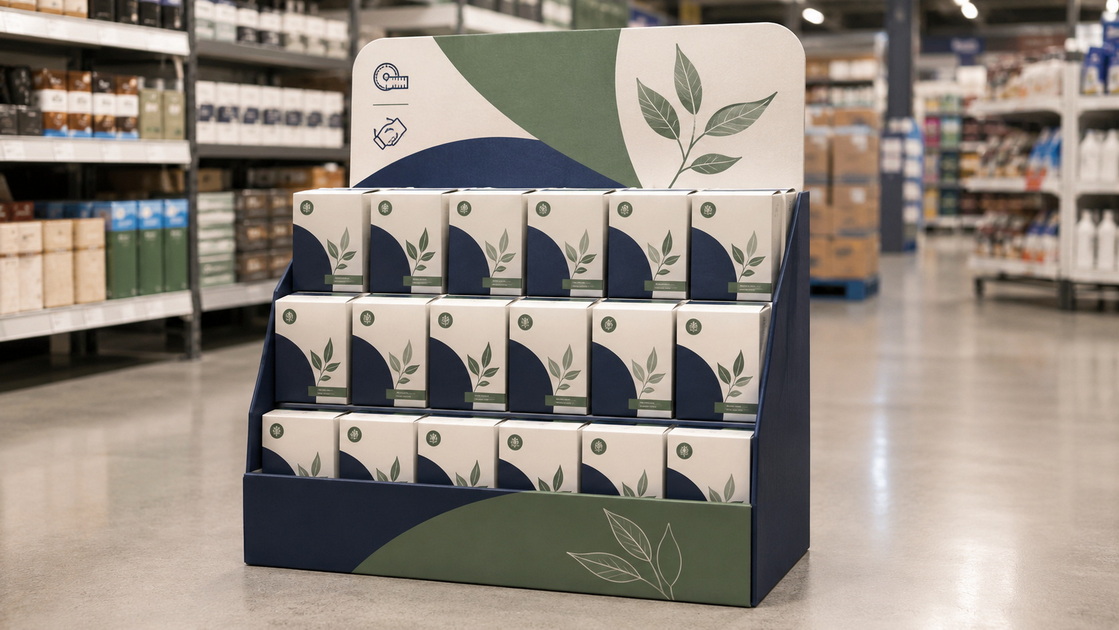
- Lock individual cartons into display slots so they stand upright and face the shopper naturally.
- Ensure consistent facing counts and easy replenishment for store staff. [longwindisplay]
- Optimize dimensions and tolerances to reduce damage during shipping and setup.
This approach increases planogram compliance and reduces the risk of displays looking messy or half-empty.
By aligning carton artwork with display graphics, brands create strong visual "brand blocks" that are easier for shoppers to spot from a distance. Typical tactics include: [certifiedprofessional.adobe]
- Using the same color palette, typography, and hero images across boxes and displays.
- Ensuring key messages (e.g., "New", "Eco-Friendly", "Limited Edition") appear on both surfaces.
For retailers, such cohesion boosts category clarity and can justify premium placements for brands who invest in complete POP-ready packaging systems. [yorkcontainer]
Many brand teams feel overwhelmed by packaging decisions. Here is a simple, practical workflow you can follow with your packaging partner.
Start with clear answers to:
- Product weight, fragility, and size.
- Distribution environment (ecommerce, retail, or both). [duplointernational]
- Compliance needs (food-contact, pharma, child-resistance, etc.).
This defines minimum structural and material requirements before any creative work begins. [duplointernational]
Work with marketing and design to define:
- Target audience and price point.
- Desired brand attributes (luxury, natural, playful, clinical, etc.).
- Sustainability expectations (e.g., plastic-free, recyclable, FSC, or similar). [carepac]
This informs choices like SBS vs. SUS, matte vs. gloss, and how much finishing is appropriate. [oxopackaging]
Rather than treating structure and artwork separately, ask your packaging partner to:
- Develop structural prototypes that support both product protection and POP display use.
- Provide print-ready dielines so your designers know exact panel sizes and safe zones. [carepac]
Iterate with quick digital or physical mockups, then test assembly and shelf presence before committing to full production. [certifiedprofessional.adobe]
Before scaling up:
- Run pilot batches through your packing equipment to check for jams, misfeeds, or glue issues. [pioneerpack]
- Get retailer or merchandiser feedback on ease of stocking, visibility, and shopper interaction. [duplointernational]
This reduces costly late-stage changes and increases the chance that your POP displays and cartons perform as intended in the field.
To ensure you select the right packaging partner, prepare a focused question set.
Ask potential suppliers:
- Which paperboard grades do you recommend for my product category and why? [oxopackaging]
- Can you share case studies where you integrated carton design with POP displays or retail programs similar to ours? [longwindisplay]
- How do you handle sustainability requirements, such as recyclable structures and eco-friendly inks or coatings? [umbrellapackaging]
- What quality control and testing processes do you use (e.g., compression, drop tests, line trials)? [yorkcontainer]
Suppliers with strong answers are more likely to provide consistent, scalable solutions across multiple markets and retail channels. [longwindisplay]
If you are planning a new product launch, retail refresh, or POP campaign, now is the right time to audit your carton packaging and display system together.
By partnering with a specialized POP display and custom package box manufacturer with experience across global retail channels, you can:
- Reduce launch risk through integrated structural and graphic design.
- Improve shelf performance with retail optimized carton formats and display ready dimensions.
- Align your packaging with sustainability and brand storytelling goals at every touchpoint. [longwindisplay]
Prepare a brief with your product specs, target markets, sustainability goals, and retail environments, then collaborate with your partner's engineering and design teams to create carton packaging that works in the warehouse, on the shelf, and in the shopper's hand. [duplointernational]
1. What is the difference between carton packaging and corrugated packaging?
Carton packaging uses paperboard for retail ready boxes, optimized for printing and shelf presentation, while corrugated packaging uses fluted board for shipping and heavy duty protection. [feeds.gmsindustries]
2. Is carton packaging suitable for heavy products?
Carton packaging is ideal for light to medium weight products; heavier or fragile items often combine cartons for retail presentation with corrugated outers for transport protection. [pioneerpack]
3. How sustainable is paperboard carton packaging?
Paperboard cartons often contain recycled fibers, are widely recyclable, and can use water based inks and coatings, making them a strong choice for brands focused on sustainability. [oxopackaging]
4. Can carton packaging work for ecommerce as well as retail?
Yes, but ecommerce typically requires additional cushioning or outer packaging; many brands design cartons that look great on shelf while surviving parcel handling when paired with protective mailers or shippers. [duplointernational]
5. How early should we involve a packaging partner in a new product project?
Ideally, involve your carton and POP display partner during concept development, so structural, branding, and retail requirements can be aligned upfront, avoiding redesigns and delays later. [certifiedprofessional.adobe]
1. PakFactory – "What is Paperboard Packaging?"
https://pakfactory.com/blog/what-is-carton-packaging/ [wevolver]
2. Refine Packaging – "What is Carton Packaging? Folding Carton Packaging Explained."
https://refinepackaging.com/blog/what-is-carton-packaging/ [refinepackaging]
3. Ecobliss Retail – "What is carton packaging?"
https://www.ecobliss-retail.com/blog/what-is-carton-packaging [ecobliss-retail]
4. OXO Packaging – "Everything You Need to Know About Carton Packaging."
https://oxopackaging.com/blog/everything-you-need-to-know-about-carton-packaging.html [oxopackaging]
5. Umbrella Packaging – "Understanding Carton Packaging: An Essential Part of Product Presentation."
https://umbrellapackaging.com/blog/understanding-carton-packaging [umbrellapackaging]
6. Carepac – "A Technical Guide To Custom Packaging Design."
https://www.carepac.com/blog/technical-guide-to-custom-packaging-design/ [carepac]
7. York Container – "6 Essential Business Packaging Design Best Practices."
https://www.yorkcontainer.com/york-container-blog/6-vital-business-packaging-design-best-practices [yorkcontainer]
8. Duplo International – "How to Design Product Packaging: Best Practices."
https://www.duplointernational.com/article/how-design-product-packaging-best-practices [duplointernational]
9. Long-Win Display – "Custom Cardboard Display and Packaging Solutions."
https://www.longwindisplay.com [longwindisplay]
10. Adobe – "Everything You Need to Know about Package Design."
https://certifiedprofessional.adobe.com/blog/packaging-design [certifiedprofessional.adobe]


