
Views: 222 Author: Long Win Display Publish Time: 2026-04-11 Origin: Site


Point-of-purchase (POP) displays are one of the few in-store tools that can still change a shopper's mind in the last few seconds before they pay. From my experience working with global brands on custom cardboard display stands, a well-planned POP program consistently lifts impulse sales, improves brand recall, and turns dead corners of the store into profit centers. [slickplan]
A Point-of-Purchase (POP) display is any in-store fixture that highlights products right where customers are making buying decisions, such as aisles, entranceways, showrooms, or near checkout. POP displays are close cousins of Point-of-Sale (POS) displays, which sit directly at the cash wrap or queuing areas to promote last‑minute add‑ons. [mdi]
In practice, POP and POS displays share the same objective: attract attention, present a clear offer, and remove friction so shoppers can say "yes" faster. Typical formats include floor stands, display cases, slatwall systems, dump bins, signage, and — increasingly — custom cardboard displays for temporary or seasonal campaigns. [scubefixtures]

Although many retailers use the terms interchangeably, there are useful distinctions when planning your display strategy. [slickplan]
| Aspect | POP Display | POS Display |
|---|---|---|
| Typical location | Aisles, entranceways, endcaps, showrooms (slickplan) | Checkout counter, queue, payment zone (slickplan) |
| Main goal | Drive discovery and consideration of products | Trigger impulse add‑on purchases right before payment |
| Dwell time | Longer browsing; shoppers still comparing | Short, focused; shopper ready to pay (scubefixtures) |
| Common products | New launches, hero SKUs, seasonal ranges (slickplan) | Small accessories, snacks, travel sizes, add‑ons (slickplan) |
| Typical materials | Cardboard, metal, wood, acrylic, mixed media (slickplan) | Acrylic trays, small cardboard units, wire racks (slickplan) |
Thinking in terms of both POP and POS zones helps you design a connected journey: attract from a distance, then close at the counter. [scubefixtures]
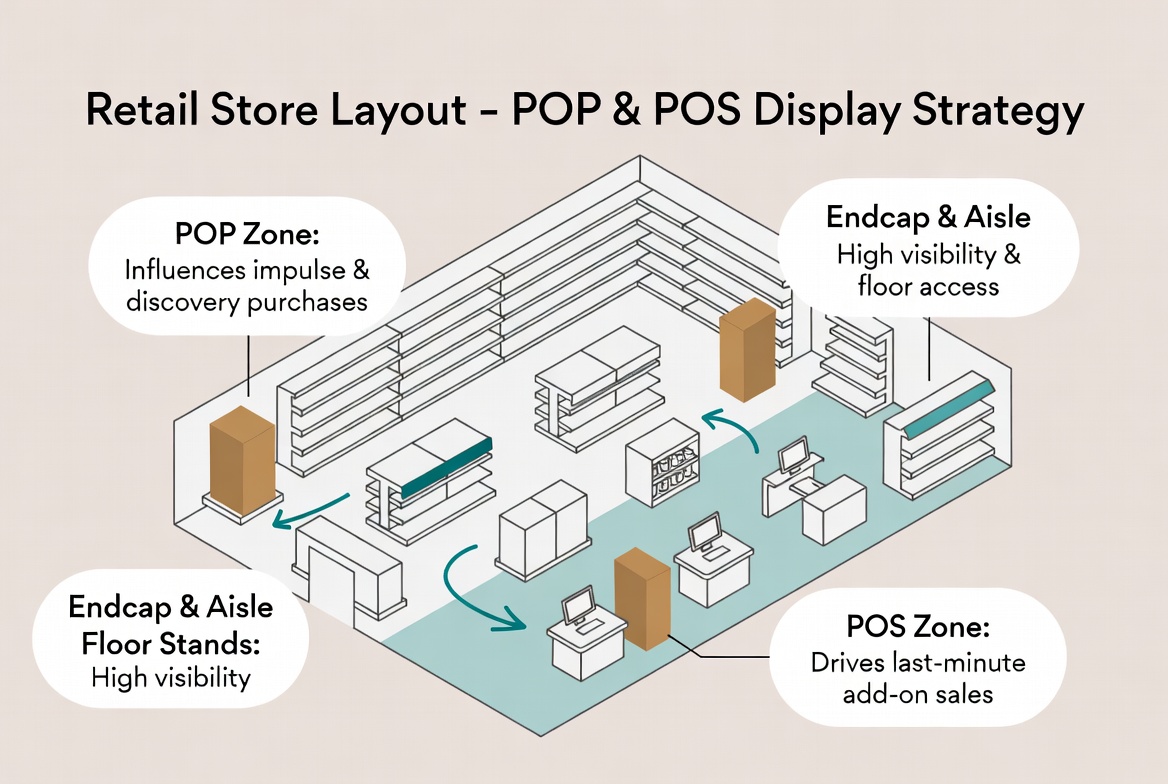
From a manufacturer's point of view, choosing the "type" of POP display is a strategic decision that affects cost, logistics, and sales performance. [slickplan]
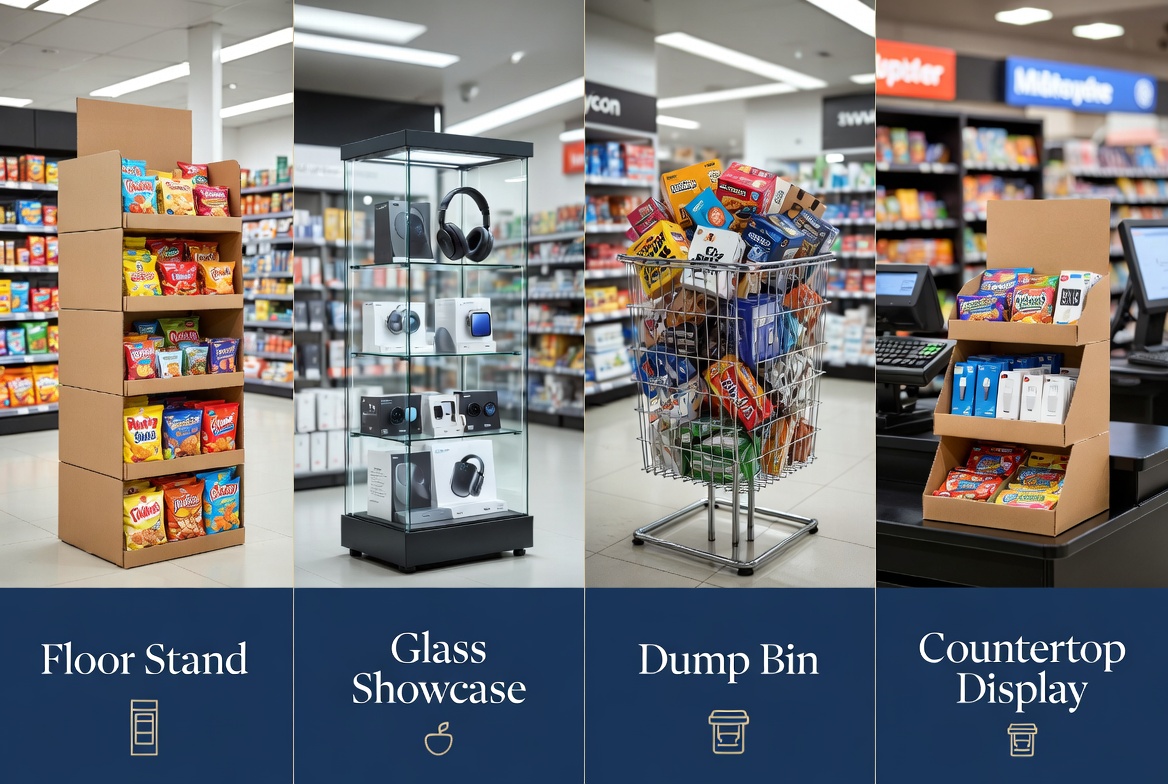
Freestanding displays sit on the floor and can be moved around the store, making them powerful tools for endcaps and high‑traffic "strike zones." [slickplan]
Common freestanding formats include:
- Display cases – Secure, often with LED lighting, ideal for higher‑value products like electronics, cosmetics, or jewelry. [slickplan]
- Slatwall and gridwall fixtures – Modular systems where shelves, hooks, and pegs can be reconfigured quickly based on promotions. [slickplan]
- Dump bins – Open‑top bins for bulk or discounted items, perfect for "treasure hunt" impulse browsing. [slickplan]
- Wire racks – Lightweight, portable racks frequently used in groceries and convenience stores for packaged food. [slickplan]
- Cardboard floor stands – Cost‑effective, lightweight, and highly brandable, especially for short‑term campaigns. [oneplusdisplay]
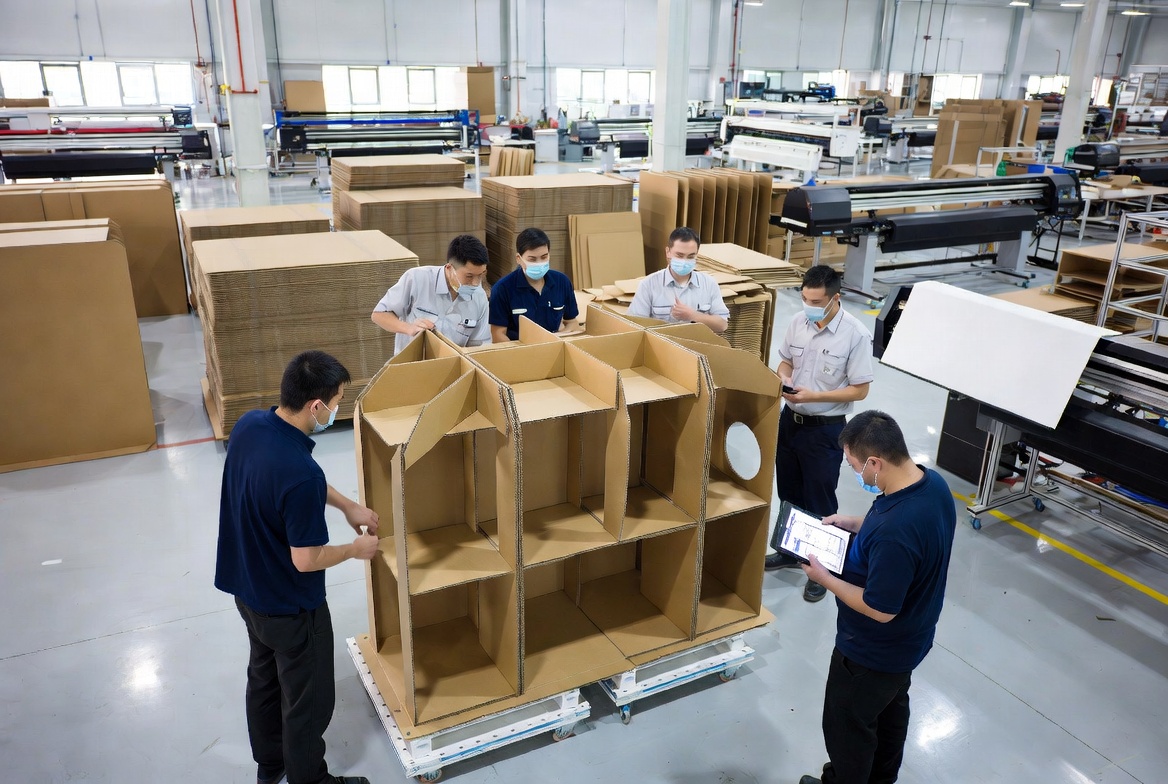
From our manufacturing experience, custom cardboard floor stands are often the most efficient bridge between brand storytelling (full‑surface printing, custom die‑cuts) and retailer practicality (flat‑packed, pre‑filled shipping, fast assembly). [oneplusdisplay]
Countertop displays live at eye or hand level on cash wraps, service counters, and shelves near the point of payment. [slickplan]
Popular forms include:
- Acrylic countertop stands for cosmetics, cables, or small tech accessories. [slickplan]
- Rotating countertop racks that encourage browsing while customers wait, often used for sunglasses, keychains, or small toys. [slickplan]
- Mini cardboard displays designed to carry trial packs, gift cards, or sample sizes for quick add‑on purchases. [slickplan]
As an operator, I've seen that countertop units succeed when they answer one clear question: "Why not add one more?" — either by price, convenience, or limited‑time framing. [scubefixtures]
Some product categories require more tailored structures to support branding and security. [slickplan]
Key examples:
- Glass display cases for high‑value or fragile products, often with locks and lighting to signal premium positioning. [slickplan]
- Mannequins and clothing racks for fashion and accessories, where silhouette and styling drive desire. [slickplan]
- Integrated digital merchandising units that combine shelves, hooks, and a built‑in screen to deliver dynamic content near the products. [slickplan]
In our projects, we often pair a cardboard base structure with acrylic or digital elements to balance cost and perceived value. [scubefixtures]
Digital POP displays bring motion and interactivity into the aisle, using screens to show videos, tutorials, or promos alongside the physical products. [slickplan]
Well‑implemented digital displays:
- Reinforce offers with motion and sound. [slickplan]
- Allow rapid content updates without reprinting materials. [slickplan]
- Can integrate with analytics or sensors to track engagement. [irisnow]
You can also extend these with QR codes that lead to product videos, coupons, or AR experiences, turning a static stand into a mini digital campaign hub. [irisnow]
Despite the growth of e‑commerce, in‑store POP remains a proven driver of incremental sales and brand visibility. [mdi]
Key contributions include:
- Sales lift at the shelf – Positioning displays in high‑traffic locations or near checkout increases the probability of impulse buys without extra media budget. [scubefixtures]
- Brand awareness and recall – Strong visual branding on POP units reinforces brand memory at the moment of choice. [slickplan]
- Better use of space – Freestanding and cardboard displays can unlock "underused" zones such as pillars, aisle ends, and queue barriers. [scubefixtures]
From our factory's data across multiple retail categories, brands that treat cardboard POP as a structured program (not one‑off décor) typically see higher campaign ROI, because designs, dimensions, and logistics are optimized over time. [oneplusdisplay]
Selecting a display format is not just a creative decision; it is a business choice that affects margin, logistics, and store operations. [scubefixtures]
Use this simple checklist:
1. Clarify your objective
- Awareness for a new line, trial for a new SKU, or pure volume sell‑through? [scubefixtures]
2. Understand your retail space
- Large format store: prioritize freestanding endcaps and towers. [slickplan]
- Small convenience store: countertop and slim cardboard side‑kicks work better. [slickplan]
3. Match materials to campaign length
- Short term (4–12 weeks): cardboard or mixed cardboard‑plus‑light hardware. [oneplusdisplay]
- Long term (6–24 months): metal, wood, or heavy plastic systems. [mdi]
4. Design for the shopper's journey
- From distance: bold color blocks, simple claim. [speedpro]
- At arm's length: benefits, variants, simple comparison. [speedpro]
- At touch: clear pricing, easy access to product. [scubefixtures]
5. Consider operations
- How many stores? Who assembles? Is pre‑packing possible? [oneplusdisplay]
- Can the display be flat‑packed and set up in minutes with printed instructions? [oneplusdisplay]
Retailers often appreciate manufacturers who provide pre‑assembled or pre‑filled cardboard units, as these reduce labor at store level and speed up deployment. [oneplusdisplay]
Working with hundreds of cardboard display projects, several consistent success factors emerge. [oneplusdisplay]
- Keep the core message brutally simple
One benefit, one visual, one clear offer works better than a wall of text. [speedpro]
- Use structure to guide behavior
Tiers, steps, or angled shelves can naturally lead the eye from hero product to complementary items. [scubefixtures]
- Design for replenishment
Make it easy for staff to refill stock; complex inserts that are hard to access will look untidy after Week 1. [scubefixtures]
- Balance branding and practicality
Distinctive shapes and cut‑outs are powerful, but must still be stable, shippable, and within the retailer's footprint rules. [oneplusdisplay]
- Plan for sustainability
Cardboard from responsibly managed sources and clear recycling instructions increasingly influence both retailer choice and consumer perception. [mdi]
Strong E‑E‑A‑T content is grounded in real outcomes, not theory. In performance‑minded POP programs, we track: [nightwatch]
- Sales uplift vs. baseline – Incremental units sold in test stores with the display vs. control stores. [monsterinsights]
- Product mix shift – Whether shoppers trade up to premium SKUs highlighted on the display. [scubefixtures]
- Display compliance – % of stores that actually set up the unit and keep it stocked. [scubefixtures]
- Dwell and interaction – Where possible, observation or sensor data on how long shoppers stay near the display. [irisnow]
A simple case pattern we've seen:
- A seasonal cardboard floor stand in 300 supermarkets, placed on an aisle end, combined with a "2 for" offer, lifted unit sales by double digits vs. the previous year's shelf‑only promotion. [monsterinsights]
Even without advanced hardware, you can upgrade your E‑E‑A‑T by documenting these tests and sharing anonymized before‑and‑after results in your content and sales materials. [whoopit.co]
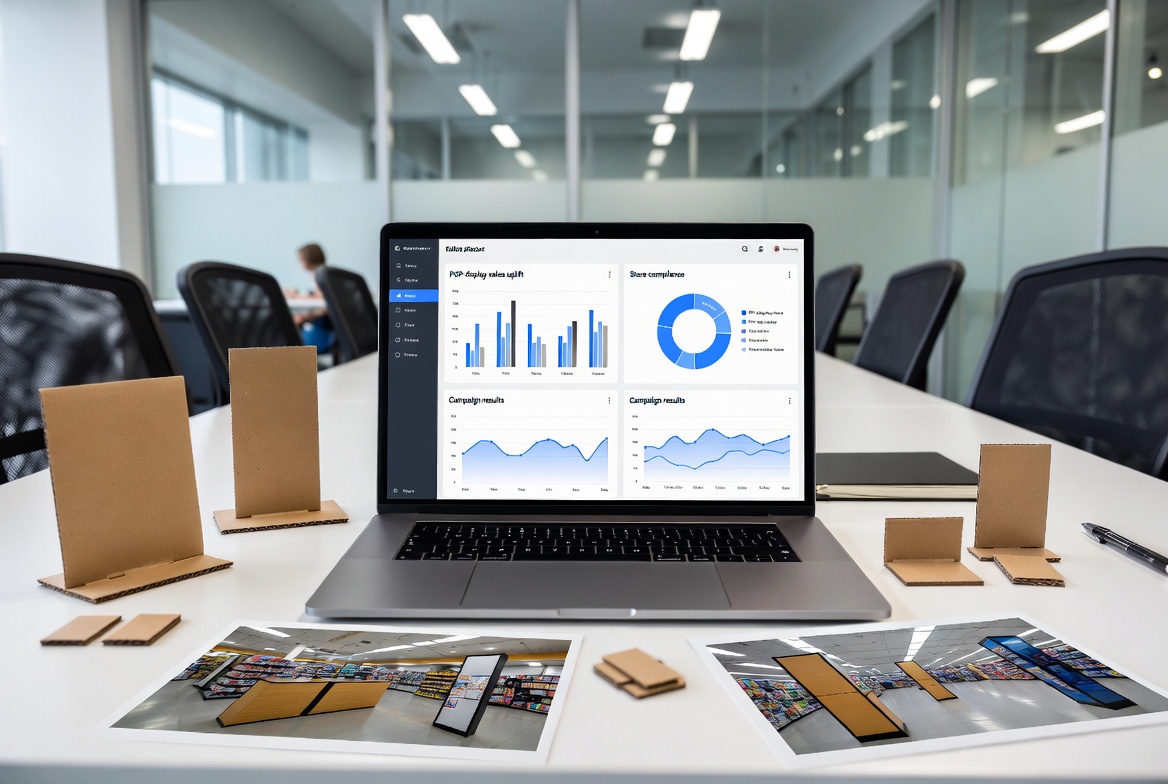
If your business designs or manufactures POP displays, your website content should clearly demonstrate experience, expertise, authoritativeness, and trustworthiness. [nightwatch]
Practical steps:
- Show real experience – Include photos and short stories from real installations, ideally with quotes from store staff or brand managers. [nightwatch]
- Highlight expert credentials – Present the background of your design and engineering team, certifications, or years in the industry. [whoopit.co]
- Use data and case studies – Share concrete results such as % increase in sales or reduction in setup time. [fabrikbrands]
- Leverage reviews and testimonials – Feature verified customer feedback and consider review schema markup to enhance search visibility. [monsterinsights]
- Be transparent and specific – Avoid vague claims; give realistic lead times, material specs, and sustainability information. [whoopit.co]
Custom cardboard display stands are particularly effective when:
- You run seasonal or short‑term campaigns where cost and speed matter more than long‑term durability. [oneplusdisplay]
- You need highly branded surfaces to tell a story across multiple panels. [oneplusdisplay]
- Your products are lightweight (FMCG, beauty, snacks, toys, OTC pharma, etc.). [mdi]
- You want to ship displays flat‑packed or pre‑filled to minimize store labor and ensure consistent presentation. [oneplusdisplay]
As a Chinese manufacturer working with international retailers, we have found that combining structural engineering (load‑bearing tests, stability checks) with strong graphic design is the key to cardboard displays that look good on Day 1 and still perform on Day 30. [oneplusdisplay]
If you are considering POP for your brand or retail chain, a simple path looks like this:
1. Define the pilot
- Choose 1–2 hero SKUs and 1–2 retail partners for the first wave. [scubefixtures]
2. Co‑create the brief
- Align with your POP manufacturer on objectives, budget, timing, store footprint, and sustainability expectations. [oneplusdisplay]
3. Prototype and test
- Build a white sample to test structure, then a printed prototype to validate graphics and on‑shelf impact. [speedpro]
4. Roll out in waves
- Start with a manageable set of stores; refine instructions and packaging based on feedback. [scubefixtures]
5. Measure and optimize
- Compare sales and compliance, then iterate on design, messaging, or placement for the next campaign. [monsterinsights]
If you want your next retail campaign to truly stand out, work with a partner who understands both design and manufacturing of cardboard POP displays. A specialist team can help you translate your brand story into structural ideas, test load‑bearing requirements, and deliver pre‑packed units that your retailers can set up in minutes. [oneplusdisplay]
Whether you are planning a national launch, a seasonal promotion, or a targeted in‑store trial, consider collaborating with a dedicated POP display manufacturer that can guide you from concept to finished stand — including structure, graphics, packing, and shipping. [oneplusdisplay]
1. Are POP and POS displays the same thing?
Not exactly; POP displays can appear anywhere products are considered, such as aisles and entranceways, while POS displays sit directly at or near the checkout. Both aim to influence purchase decisions but at different stages of the shopper journey. [scubefixtures]
2. How long do cardboard POP displays last in-store?
Well‑designed cardboard units typically support short‑term campaigns from several weeks to a few months, depending on product weight, store conditions, and handling. With proper engineering and reinforcement, they can safely hold surprisingly heavy loads within defined limits. [oneplusdisplay]
3. Why choose cardboard instead of permanent materials?
Cardboard is lighter, easier to ship flat, faster to assemble, and more cost‑effective for seasonal or promotional campaigns than permanent fixtures. It also allows more freedom in printing full‑coverage graphics and is easier to recycle at the end of the campaign. [mdi]
4. What information should I give a POP display manufacturer?
Provide target retail channels, product dimensions and weight, campaign duration, budget range, and any retailer guidelines on footprint or materials. Clear upfront information helps the manufacturer design a structure that is both visually strong and operationally realistic. [scubefixtures]
5. How do I know if my POP display is working?
Compare sales data from stores using the display against similar stores without it, tracking uplift and product mix changes. You should also monitor compliance (how many stores set up the unit correctly) and gather feedback from store staff and shoppers. [monsterinsights]
- Displays2go. "What Is a POP Display (Point of Purchase)?" (2024). <https://www.displays2go.com/Article/What-POP-Display-Point-Purchase-Retail-Explained-260> [slickplan]
- MDI. "Your Guide to POP (Point-of-Purchase) Displays." <https://www.mdi.org/blog/post/point-of-purchase-displays-guide/> [mdi]
- S‑Cube Fixtures. "POP Displays: The Retailer's Guide to Driving Sales." <https://www.scubefixtures.com/blog/pop-displays-strategies> [scubefixtures]
- IRIS. "POP Marketing: How to Design and Execute Local Displays." <https://www.irisnow.com/blogs/pop-marketing> [irisnow]
- Nightwatch. "E‑E‑A‑T Optimization: How To Do It (and Why)." <https://nightwatch.io/blog/e-e-a-t-optimization/> [nightwatch]
- MonsterInsights. "How to Optimize for E‑E‑A‑T (Proven Strategies That Work)." <https://www.monsterinsights.com/how-to-optimize-for-e-e-a-t/> [monsterinsights]
- Whoopit. "E‑E‑A‑T Guidelines in SEO 2026: How to Build Trust and Authority." <https://whoopit.co.uk/e-e-a-t-guidelines-in-seo/> [whoopit.co]
- One Plus Display. "Custom POP Display Solutions." <https://www.oneplusdisplay.com> [oneplusdisplay]
- SpeedPro. "A Guide to Creating Catchy Point of Purchase Displays." <https://www.speedpro.com/blog/guide-creating-catchy-point-of-purchase-displays/> [speedpro]
- Articulate Marketing. "The Ultimate Guide to Writing Case Studies that Drive Leads." <https://www.articulatemarketing.com/blog/the-ultimate-guide-to-writing-case-studies-that-drive-leads> [articulatemarketing]


