
Views: 222 Author: Amanda Publish Time: 2026-02-19 Origin: Site


Content Menu
● What Are Silicone Edge Graphics (SEG)?
>> How SEG Fabric Displays Are Assembled
● Why SEG Graphics Are Better Than Traditional Signage
>> Key Benefits of Silicone Edge Graphics (SEG)
● Common Applications of SEG Fabric Displays
>> Where SEG Graphics Work Best
● Backlit SEG Lightboxes: When You Need Maximum Impact
>> Why Choose Backlit SEG Displays
● New Trends and Innovations in SEG Displays
● Practical Buying Guide: How to Choose the Right SEG System
>> Key Factors to Consider Before Ordering SEG Graphics
● Step-by-Step: Planning and Deploying an SEG Campaign
>> Implementation Checklist for SEG Fabric Displays
● Take Your Visual Branding to the Next Level with SEG
● FAQs About Silicone Edge Graphics (SEG)
>> 1. What are SEG graphics made of?
>> 2. How long do SEG fabric displays last?
>> 3. Can SEG graphics be cleaned or steamed?
>> 4. Are SEG displays suitable for travel and trade shows?
>> 5. What is the difference between standard SEG frames and SEG lightboxes?
Silicone Edge Graphics (SEG) graphics have rapidly become one of the most popular display solutions for brands that want clean, frameless visuals, easy change-outs, and professional impact across retail, trade shows, events, and corporate spaces. This guide explains what SEG graphics are, how they work, why they outperform traditional displays, and how to choose the right system for your next campaign.

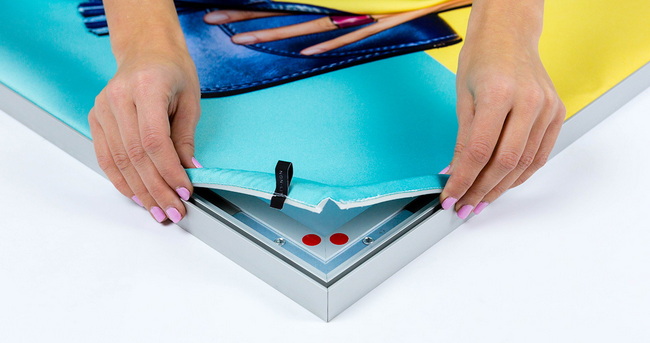
Silicone Edge Graphics are high-resolution fabric prints with a thin silicone strip sewn around the perimeter, which is inserted into a specially designed frame to create a smooth, borderless display. When the silicone edge is pushed into the frame's channel, the fabric is tensioned, resulting in a taut, wrinkle-free, almost “floating” image.
SEG graphics are typically printed on tension fabric using dye-sublimation or direct-to-fabric processes that deliver vivid, long-lasting colors. The silicone bead is sized precisely to the frame so it fits snugly and maintains consistent tension across the entire graphic. This combination eliminates bulky frames and visible hardware, maximizing the branded visual area in any environment.
SEG graphics combine tension fabric, silicone edging, and aluminum frames to deliver a seamless look that is easy to install and update. The system is engineered so that anyone can achieve a professional, tight fit without specialized tools.
1. Print on SEG tension fabric
Graphics are produced on polyester-based fabric using high-resolution dye-sublimation printing, which infuses ink into the fibers for durable, photo-quality results.
2. Sew the silicone edge
A thin silicone gasket is stitched around the entire perimeter of the fabric panel, sized precisely to the inside dimension of the frame.
3. Insert the silicone into the frame channel
The SEG frame includes a narrow, recessed groove that accepts the silicone strip. The installer presses the silicone edge into this channel, usually starting at the corners to ensure a clean fit.
4. Tension creates a frameless, taut surface
Once all sides are inserted, the fabric is pulled tight like a drum, eliminating wrinkles and revealing a smooth, frameless face that looks premium from every angle.
Compared with rigid boards, vinyl banners, and snap-frame posters, silicone edge graphics offer superior aesthetics, usability, and lifecycle value. This makes them a preferred choice in modern retail, exhibitions, and branded interiors.
1. Premium, frameless visual impact
SEG displays deliver edge-to-edge graphics with almost no visible frame, so customers see uninterrupted imagery instead of bulky hardware. The wrinkle-free, glare-free fabric surface maintains a high-end, “gallery-style” appearance even under bright lighting.
2. Easy installation and quick change-outs
The silicone edge simply presses into the frame, allowing one person to set up large displays in minutes without tools or specialized training. Graphics can be swapped by removing the old fabric and inserting a new one into the same frame, which is ideal for seasonal campaigns and frequent promotions.
3. Lightweight and cost-efficient to ship
Fabric and aluminum frames weigh significantly less than rigid substrates, reducing shipping costs and making logistics easier for events and multi-store rollouts. Foldable fabric panels also take up minimal space, lowering storage costs between campaigns.
4. Durable and reusable graphics
Dye-sublimated fabrics resist fading, wrinkling, and tearing better than typical paper or vinyl prints, so they can be reused across multiple events or seasons. Many fabrics can be lightly washed or steamed, helping maintain fresh, clean visuals over time.
5. Versatile across environments
SEG graphics are effective in retail stores, trade show booths, showrooms, hotels, sports venues, offices, and more. This versatility makes them a scalable solution across your entire display program.
SEG systems are used wherever brands need high-impact, quickly updatable visuals.
- Retail environments: Window backdrops, in-store feature walls, endcap headers, promotional lightboxes, and seasonal campaigns.
- Trade shows and exhibitions: Back walls, freestanding towers, hanging structures, and backlit visual focal points within booths.
- Corporate interiors: Reception areas, branded corridors, meeting rooms, and corporate communication walls.
- Events and pop-ups: Stage backdrops, sponsor walls, photo backdrops, and branded content zones.
- Hospitality and public spaces: Hotels, airports, arenas, and museums using SEG for flexible décor and wayfinding.
Backlit SEG lightboxes combine LED illumination with SEG fabric to create bold, attention-grabbing displays that stand out even in busy environments. They are especially common in retail and trade show applications where visibility is critical.
- High visibility: Integrated LEDs evenly illuminate the fabric, creating vivid, glowing images that draw customers from a distance.
- Uniform lighting: Blockout and backlit fabrics are engineered to avoid hot spots, ensuring even diffusion across the entire graphic.
- Energy-efficient hardware: Modern LED systems offer long lifespans and low power consumption, supporting continuous operation with minimal maintenance.
- Perfect for premium placements: Ideal for hero product displays, feature walls, and brand storytelling where impact and professionalism matter most.
SEG technology continues to evolve, bringing sustainability, digital integration, and higher customization to brands around the world.
1. Sustainable materials and eco-conscious production
More manufacturers now offer SEG frames made from recycled aluminum and fabrics produced with eco-friendlier processes, helping brands reduce environmental impact. Reusing the same frames and simply updating the fabric graphics further cuts waste and long-term costs.
2. Digital integration and interactive features
Some SEG systems now integrate embedded screens or interactive elements to blend static branding with digital content. This hybrid approach supports dynamic campaigns with frequent content updates while preserving the clean, frameless SEG aesthetic.
3. Expanded décor and ceiling applications
SEG is increasingly used for both walls and ceilings, allowing designers to treat entire architectural surfaces as interchangeable graphic canvases. Natural fiber fabrics and decorative frames are helping SEG move deeper into interior décor and branded environments.
Selecting the right SEG fabric display involves balancing size, location, lighting, and replacement frequency. A clear buying framework will help you invest in displays that perform well over time.
1. Application and location
Clarify whether you are planning for retail, trade shows, events, or permanent interior installations. Decide if you need wall-mounted, freestanding, or hanging structures based on available space and traffic flow.
2. Size and format
Measure the available wall or floor space carefully and consider sightlines from typical viewing positions. Larger formats offer more impact but may require sturdier frames and more careful lighting plans.
3. Lighting needs
Non-illuminated SEG frames are ideal for budget-conscious branding and ambient environments. Backlit SEG lightboxes are best for hero zones, store windows, and high-traffic areas where you need maximum attention.
4. Frequency of graphic change-outs
If your campaigns change frequently, prioritize durable frames and easy-access channels for fast swaps. For long-term displays, focus on fabric durability and colorfastness under ambient or UV lighting.
5. Budget and total cost of ownership
Look beyond initial hardware cost and factor in shipping, storage, installation time, and how often you will reuse the frames and graphics. SEG displays often reduce long-term costs by allowing you to refresh only the fabric panels.
Feature | Silicone Edge Graphics (SEG) | Vinyl Banners / Rigid Boards |
Visual appearance | Frameless, wrinkle-free, premium fabric finish | Visible hardware, potential glare and wrinkles |
Installation | Tool-free, fast, one-person setup | Often needs tools, multiple staff, or extra hardware |
Graphic change-outs | Simple fabric swap in same frame | Often requires new hardware or re-mounting |
Portability and shipping | Lightweight fabric and aluminum frames | Heavier, bulkier panels and rolls |
Durability and reusability | Dye-sub fabric, washable, long-lasting | Substrates can scratch, crease, or crack |
Best use cases | Retail, trade shows, interiors, lightboxes | Short-term promos, outdoor banners, low-cost signs |
A structured approach helps you maximize return on investment from your SEG graphics program. Use the following steps as a practical implementation roadmap.
Step 1: Define objectives and locations
Specify whether you want to boost brand awareness, drive specific product sales, or refresh store décor. Map key walls, windows, and event zones where SEG placements will have the most impact.
Step 2: Choose frame types and lighting
Select wall-mounted, freestanding, or hanging SEG frames according to each location's constraints. Decide where backlit lightboxes will create the strongest focal points.
Step 3: Design for fabric and light
Prepare high-resolution artwork with strong contrast, clear focal areas, and minimal tiny details that might be lost at viewing distance. For backlit SEG, design with illumination in mind so colors and gradients appear even when lit.
Step 4: Coordinate production and logistics
Plan timelines for printing, frame fabrication, shipping, and installation. This is especially important for multi-store or multi-event rollouts, where delays can affect campaign launch dates.
Step 5: Schedule refresh cycles
Use the reusability of SEG frames to plan seasonal or campaign-based fabric swaps. This keeps environments fresh and on-brand without reinvesting in hardware for every new promotion.
Silicone Edge Graphics have become the modern standard for brands that want a professional, flexible, and cost-effective display system. By combining frameless aesthetics, easy installation, lightweight construction, and reusable hardware, SEG displays help you refresh your visual communications quickly while maintaining a premium look.
If you are still relying on dated posters, vinyl banners, or rigid boards, now is the ideal time to upgrade. Start by auditing your current displays, identify three high-visibility areas in your store, booth, or interior, and plan to replace them with SEG frames or backlit lightboxes in your next campaign. Take action today and let your visuals work harder for your brand.
Contact us to get more information!
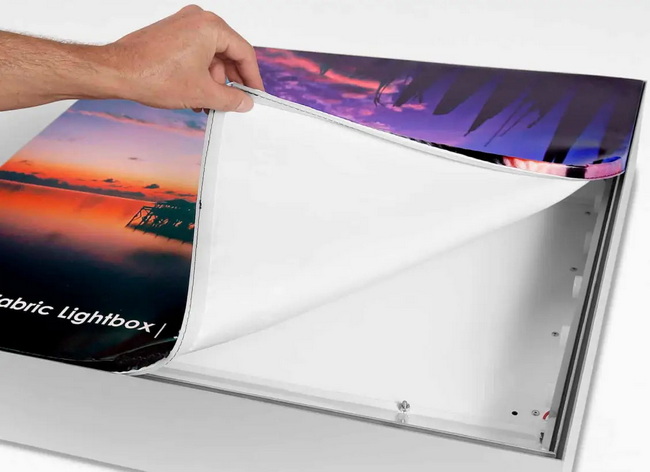
SEG graphics are typically made from polyester-based tension fabric printed with dye-sublimation inks. A thin silicone strip is sewn around the edges, allowing the graphic to be inserted into a compatible frame and tensioned evenly.
With proper care, dye-sublimated SEG fabrics can withstand repeated installations and extended display periods. Their resistance to fading, wrinkling, and tearing makes them suitable for long-term use in retail, events, and interiors.
Many SEG fabrics can be gently washed or steamed to remove wrinkles and surface dust. Always follow the specific fabric care guidelines from your supplier to maintain print quality and extend the life of your graphics.
Yes. SEG systems are highly portable because the fabric folds down small and the frames are relatively lightweight. This reduces shipping costs and simplifies setup for traveling exhibits and trade show booths.
Standard SEG frames rely on ambient light and are ideal for general branding applications. SEG lightboxes incorporate internal LED lighting to backlight the fabric, creating brighter, more eye-catching graphics for premium placements such as windows, feature walls, and hero zones.
1. https://www.displays2go.com/Article/SEG-Silicone-Edge-Graphics-What-Why-Better-91
2. https://www.weldmaster.com/blog/silicone-edge-graphics
3. https://www.strategydriven.com/2024/07/05/top-benefits-of-using-seg-fabric-in-retail-environments/
4. https://www.greenexpomax.com/new_detail/What-Are-SEG-Frames-and-Why-Are-They-Popular-in-2026.html
5. https://smartpress.com/blog/on-press/seg-printing-the-ultimate-interchangeable-signage-solution
6. https://kedersolutions.com/the-power-of-silicone-edge-graphics-seg-unveiling-industry-trends-and-applications/
7. https://imbranded.com/blog-post/silicone-edge-graphics-seg-definition-examples/
8. https://40visuals.com/top-5-advantages-of-using-silicone-edge-graphics-for-signage/
9. https://colorreflections.com/digital-printing-news/seg-graphics-for-retail-stores/
10. https://www.power-graphics.com/displays/trade-show-displays/tension-fabric-displays/silicone-edge-graphic-displays.html


