
Views: 222 Author: Amanda Publish Time: 2026-02-15 Origin: Site


Content Menu
● What Is a Light Box Display?
● Fluorescent vs LED Light Boxes: Key Differences
>> Fluorescent Light Boxes: Easy but Frequent Changes
>> LED Light Boxes: Long Life, Less Intervention
● Size, Installation, and Permanence
>> Smaller Displays, Menus, and POS Units
>> When Maximum Brightness Comes First
● Budget Planning: Apparent vs True Cost
>> Apparent Budget: Initial Purchase Price
>> True Budget: Total Cost of Ownership
● Environmental and Regulatory Considerations
>> Mercury and Responsible Disposal
>> Energy Efficiency and Sustainability
● Advantages of LED Light Boxes Over Fluorescent
>> 1. Long‑Term Cost and Maintenance
>> 2. Noise and Work Environment
>> 3. Color Quality and Visual Flexibility
>> 4. Safety, Durability, and Heat Output
>> 5. Instant Illumination and Stable Output
● Practical Selection Guide: Which Light Box Should You Choose?
● Take the Next Step for Brighter, Smarter Displays
● FAQs About Fluorescent and LED Light Boxes
>> Q1. Are LED light boxes always more cost‑effective than fluorescent?
>> Q2. Do fluorescent light boxes still make sense in modern installations?
>> Q3. Are all fluorescent bulbs considered hazardous waste?
>> Q4. How often will I need to service an LED light box?
>> Q5. Which technology is better for environmentally conscious brands?
When you invest in backlit signage, choosing between fluorescent light boxes and LED light boxes directly affects your long‑term cost, visual impact, and maintenance workload. This guide walks you through the key differences so you can select the most efficient, high‑impact solution for your displays.

A light box is an illuminated frame that uses internal light sources to backlight graphics such as posters, menus, retail promotions, or wayfinding signage. In retail, exhibitions, and promotional environments, they are one of the most effective tools to make printed visuals stand out.
A typical light box includes four main components: the frame, diffuser panel, light source, and printed graphic. In commercial projects, multiple light boxes are often installed across stores, malls, airports, and corporate spaces to keep branding consistent and highly visible.
Use this overview to understand how fluorescent and LED light boxes compare on the factors that matter most for your project.
Factor | Fluorescent Light Boxes | LED Light Boxes |
Lifespan | Bulbs typically last around 1.5 years when running 24/7 before replacement is needed. | Modules can last 4–5 years running 24/7, with many systems rated up to about 100,000 hours. |
Brightness (LUX) | Very high brightness; T5 systems can exceed 3500 LUX for maximum visual punch. | Slightly lower LUX than high-end T5, but still designed to deliver strong, above-average brightness. |
Power Consumption | Higher wattage and electrical use, especially for ultra-bright models. | Significantly lower power draw, reducing energy bills over time. |
Maintenance | Bulbs are easy to change but need attention more frequently. | Modules are harder to replace but require service far less often. |
Upfront Cost | Lowest initial purchase price. | Highest initial purchase price. |
Environmental Impact | Contain mercury and require careful disposal or recycling. | Contain no mercury and use less energy overall. |
Noise | Can buzz, click, or pop as the system ages. | Operate silently with no buzzing. |
Fluorescent light boxes are designed so that their tubes are easy to remove and replace, which looks convenient at first. However, when these boxes run continuously, the bulbs usually last only about 1.5 years before one fails and creates a visible dark or dim area on the graphic.
In many retail and commercial environments, staff are busy and may not notice a single failed tube right away or may not have replacement bulbs on hand. The result is a half‑lit display that stays in use for days or weeks and weakens your brand image, even though the technical fix is simple.
If your team does not have dedicated facilities staff or you manage many locations, this ongoing maintenance burden is a key factor when choosing fluorescent systems.
LED light boxes are usually built with thin, integrated LED modules installed directly into the frame. These light sources are more complex to replace and often require technical expertise or factory service, especially for large units.
The advantage is that LED bulbs typically last 4–5 years under 24/7 operation, and many systems are designed for around 100,000 hours of use. For smaller panels, businesses often find it more practical to replace the entire light box after several years rather than repair deteriorating LEDs.
For large‑scale installations, this long lifespan means fewer disruptions, fewer service calls, and more consistent presentation of your campaign visuals.
Large light boxes installed in airports, shopping centers, and transit hubs often become semi‑permanent fixtures. They may be recessed into walls or integrated into architectural elements, making removal and reinstallation time‑consuming and costly.
In this scenario, fluorescent technology is still common because facilities teams can change the tubes on site without dismantling the entire unit. If you have reliable, skilled maintenance staff and need very large illuminated surfaces, fluorescent systems can be a practical option.
For smaller applications such as menu boards, countertop signage, and point‑of‑sale displays, LED light boxes offer compelling advantages. Their slim profile, lower power draw, and modern appearance make them ideal for tight spaces and design‑driven interiors.
Since smaller LED boxes are more affordable to replace in full, many buyers factor in complete replacement after several years rather than budgeting for complex repair work, especially as LED hardware prices generally trend downward over time.
Brightness in light boxes is measured in LUX, which indicates how much light falls on the graphic surface. For professional displays, above‑average LUX levels are essential to keep visuals sharp and readable even under strong ambient lighting.
In broad terms, LUX performance can be grouped as follows:
- Above 2000 LUX: excellent, very bright presentation.
- 1750–2000 LUX: better than average brightness.
- 1600–1750 LUX: basic, acceptable illumination.
- Below 1600 LUX: below average and often visually weak.
High‑quality T5 fluorescent light boxes can achieve very high LUX measurements that make graphics stand out strongly in competitive environments such as shopping malls and busy retail corridors.
If your top priority is maximum visual impact in challenging lighting conditions, a well‑engineered T5 fluorescent system may still deliver the strongest punch. However, this level of brightness comes with higher energy consumption, which increases operating costs over the life of the display.
For most retail, hospitality, and corporate applications, modern LED light boxes offer more than enough brightness, delivering a solid balance between visual performance and energy efficiency.
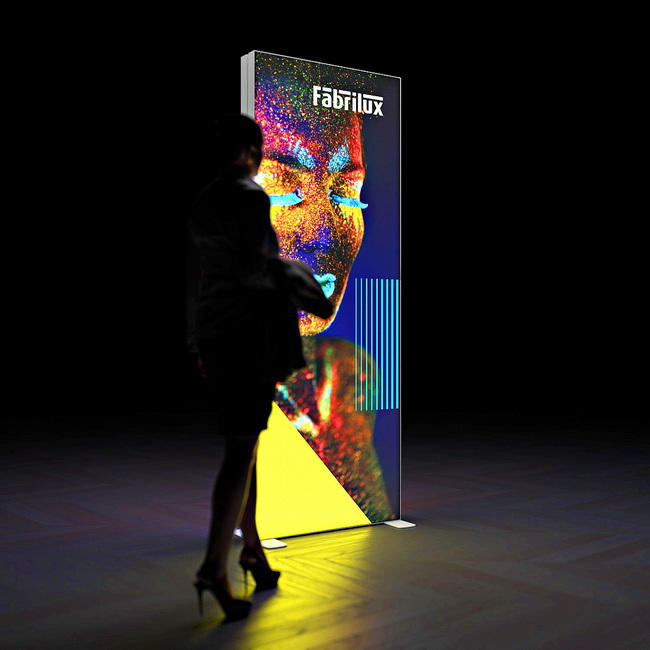
The apparent budget is what most teams look at first: the upfront purchase price of each light box. On this measure, fluorescent light boxes are typically the most economical option and often win in basic price comparisons.
However, a low initial price can be misleading if you do not factor in energy usage, replacement cycles, and maintenance over several years.
The true budget takes into account the full life cycle of your light box installation, including:
- Electricity consumption for daily operation.
- Replacement bulbs, modules, and associated materials.
- Labor time for maintenance, access, and installation.
Because fluorescent systems draw more power and need more frequent bulb changes, they can easily out‑cost a higher‑priced LED light box after several years of use. LED light boxes demand a larger initial investment but combine strong efficiency with very long service life, often making them the more economical choice over the full project timeline.
CFL and fluorescent tubes contain a small amount of mercury vapor that allows them to operate. While an intact bulb is not considered hazardous, broken or crushed lamps release mercury and must be handled as hazardous waste under many regulations.
Environmental agencies in various regions provide specific guidelines for separating hazardous and non‑hazardous waste and commonly encourage recycling fluorescent lamps through approved facilities. Users of CFL lamps are expected to follow these rules and exercise a duty of care in how spent bulbs are disposed of and documented.
Fluorescent bulbs are significantly more efficient than traditional incandescent lamps, converting electricity to light with much less waste. This results in lower energy use and smaller carbon footprints compared with legacy lighting.
LED technology goes a step further: it uses even less power than fluorescent solutions, contains no mercury, and produces minimal heat. For brands focusing on sustainability, environmental certifications, or green building standards, LED light boxes tend to align better with long‑term goals.
LED light sources can reach lifespans of up to tens of thousands of hours, far exceeding incandescent and fluorescent alternatives. Fewer replacements mean fewer service calls, less downtime, and more predictable budgeting.
In large buildings, chains, or multi‑site rollouts, these small per‑unit savings compound across a wide network of displays, which can significantly reduce the total cost of managing your signage.
Fluorescent tubes are known for producing noise as they age, including buzzing, clicking, and popping sounds. In quiet environments, these noises are distracting for both staff and customers.
LED light boxes operate silently. This creates a more comfortable atmosphere in offices, clinics, galleries, boutique stores, and other spaces where a calm acoustic environment is important.
Many fluorescent systems emit a cold blue‑white light that can feel harsh and unwelcoming. While improved phosphor coatings exist, options are more limited compared with modern LED systems.
LEDs are available in a wide range of color temperatures and colors. This flexibility allows you to match your lighting with brand guidelines, seasonal campaigns, or specific moods without changing the core hardware.
Fluorescent tubes contain mercury and are made of fragile glass, which requires careful handling and adds risk in the event of breakage. They also generate more heat than LEDs, though less than halogen and incandescent sources.
LEDs do not contain mercury, are generally more impact‑resistant, and remain relatively cool during operation. This combination reduces the risk of burns, fire hazards, and breakage‑related incidents, especially in high‑traffic or family‑focused environments.
Fluorescent lights often flicker on and may require a warm‑up period before reaching full brightness. They can also exhibit flicker that is distracting or problematic for photography and video.
LED light boxes turn on instantly at full brightness, with no warm‑up or flicker. This immediate, stable illumination is ideal for dynamic retail operations, timed lighting schedules, and environments where displays are frequently switched.
To make the best decision for your project, consider the following questions and align them with your priorities:
- How long will your campaign or installation run? Short‑term campaigns with strict budgets may lean toward fluorescent options, while long‑term or permanent installations usually benefit more from LED systems.
- How accessible are your light boxes for service? Ceiling‑mounted, recessed, or hard‑to‑reach boxes favor long‑life LEDs. Wall‑mounted displays in easy‑access areas can be serviced more easily with replacement tubes.
- How important is maximum brightness? If you need the brightest possible display in high‑competition environments, high‑end fluorescent T5 units might be the best match. For most settings, LED brightness is more than sufficient.
- What are your sustainability and compliance requirements? Organizations with strict environmental policies or complex regulatory frameworks often simplify compliance by standardizing on LED technology.
- What is your true budget, not just your upfront cost? When you add energy, maintenance, and replacement over time, LED light boxes often deliver the strongest overall value.
Choosing between fluorescent and LED light boxes is not just a technical decision; it is a strategic choice that affects your brand visibility, operating costs, and sustainability performance for years to come. If you are planning new retail displays, exhibition stands, or promotional campaigns, now is the ideal moment to define the right light box strategy for your needs. Contact our professional display team today to share your project requirements, receive tailored recommendations on fluorescent versus LED light boxes, and get a precise quote that aligns with your budget, timeline, and branding goals.
Contact us to get more information!
Not always for very short‑term use. For campaigns that run only a few months, the lower upfront cost of fluorescent light boxes may be attractive. Over several years of continuous or daily operation, however, LED light boxes generally become more cost‑effective due to reduced energy consumption and far less frequent maintenance.
Yes, fluorescent light boxes can still be a smart choice in specific scenarios. They work well when you need maximum brightness, can handle periodic tube replacements, and are working within a tight initial budget. They are also common in large, built‑in installations where on‑site teams are already equipped to manage fluorescent systems.
Intact fluorescent bulbs are not typically treated as hazardous waste, but when they break, the mercury they contain can be released. Because of this, many regulations treat spent fluorescent bulbs as hazardous and require them to be recycled or handled through approved disposal channels instead of being thrown away with standard trash.
In many commercial settings, LED light boxes can operate for 4–5 years of continuous use before any noticeable decline occurs. During that time, most service needs are related to cleaning and graphic changes rather than lamp replacement, which significantly lowers total maintenance effort.
For brands prioritizing sustainability, LED light boxes are usually the better choice. They use less energy, do not contain mercury, produce less heat, and reduce the volume of hazardous waste that needs special handling at the end of life.
1. https://www.displays2go.com/Article/Fluorescent-LED-Light-Boxes-9


